Case file · HYUNDAI-ELANTRA-2011-2016 · 5th gen (MD/UD) (MD/UD)
Hyundai Elantra 2011–2016Common problems, reliability & repair costs
The 'Fluidic Sculpture' Elantra sold in huge numbers and looks like a great cheap used car, until you understand the 1.8L Nu engine. A piston/connecting-rod defect causes a ticking-to-knocking progression that can end in total engine failure, serious enough that Hyundai extended the powertrain warranty to 10 years/120,000 miles and a class-action settlement followed. Buy one with a healthy, quiet engine (or a documented replacement) and it's fine; buy a ticking one and you've bought an engine.
2015, 2016
2011–2013 (earliest Nu 1.8 engines, most piston/rod failure +1 more
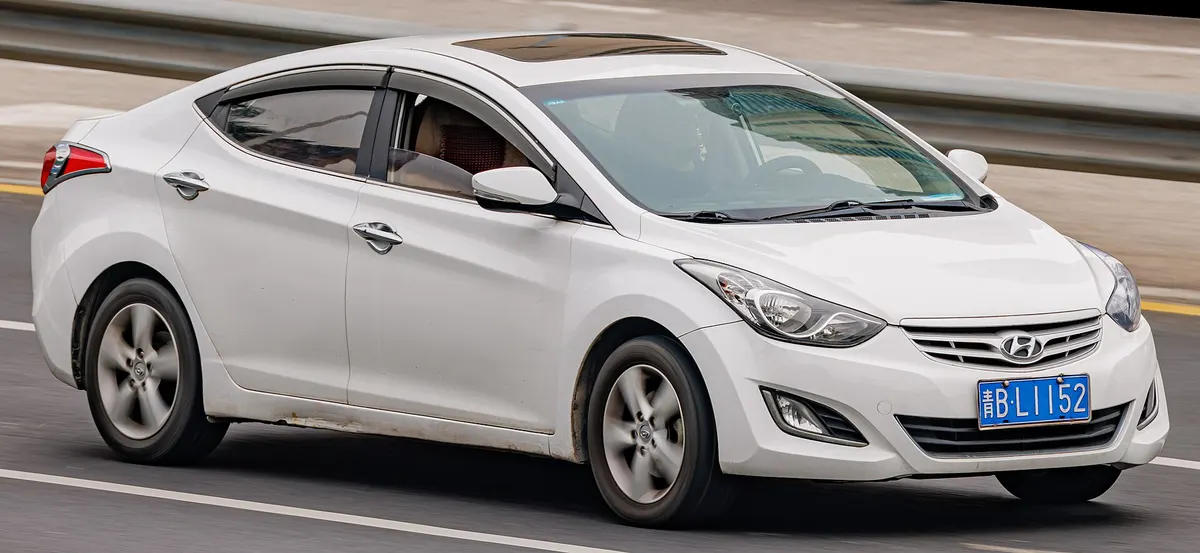
Engines
- Nu (G4NB) · 1.8L gasoline, 145 hp
- Nu (G4NC) · 2.0L gasoline, 173 hp
Transmissions
- automatic , 6-speed
- manual , 6-speed
Drivetrain
FWD
Body
sedan, hatchback (GT), coupe
Trims
GLS, SE, Limited, Sport, GT, Coupe
Hyundai Elantra part-number cross-reference
Start from the OEM number, then pick the brand you trust. Verified equivalents for the Hyundai Elantra (2011–2016).
Part links go to Amazon, and to eBay where Amazon does not stock the part. Affiliate links, so we may earn a commission if you buy. Your price is unchanged, and a commission never changes a verdict.
Oil filter
Hyundai/Mobis
Find Hyundai/Mobis oil filter on AmazonHyundai/Mobis
earlier supersession number for the same spin-on filter (also 26300-35504)
Look up Hyundai/Mobis oil filterFram
Extra Guard spin-on; same filter also sold as XG9688 (Ultra), TG9688 (Tough Guard), FD9688 (Drive)
Check Fram oil filterVerified via: Genuine Hyundai 26300-35505 (Parts Hyundai), FRAM PH9688 Extra Guard spin-on product page, FinditParts 26300-35505 cross-reference (Fram 9688 family)
Engine air filter
Hyundai/Mobis
Compare Hyundai/Mobis engine air filter on AmazonVerified via: Genuine Hyundai 28113-3X000 (Hyundai OEM Parts Direct), FRAM CA11053A Extra Guard product page, JEGS Fram CA11053 - 2011-16 Elantra 1.8L/2.0L
Cabin air filter
Hyundai/Mobis
Compare Hyundai/Mobis cabin air filter on AmazonHyundai (boxed accessory)
Hyundai's boxed service-kit version of the same 97133-2H000 element
Find Hyundai cabin air filterFram
Fresh Breeze; do NOT use CF10709 - that is the Tucson/Sportage filter
Check Fram cabin air filterVerified via: Wix 49377 fitment - Hyundai Elantra (PartCatalog), Wix 49377 fits 2012-2016 Elantra (Walmart), Fram CF10728 + CA11053A for 2013-2016 Elantra (Amazon)
Spark plugs
Hyundai/Mobis
See Hyundai/Mobis spark plugs on AmazonNGK
Laser Iridium, NGK stock no. 9723 - this is the OE plug (Hyundai 18846-11070 is NGK-made)
Compare NGK spark plugsDenso
Iridium equivalent per spark-plug cross-reference; confirm gap 0.044 in
Find Denso spark plugsVerified via: NGK.com SILZKR7B11 / 9723 Laser Iridium, NGK SILZKR7B11 for Elantra 2012-2016 1.8L & 2.0L (Amazon), NGK SILZKR7B11 alternatives incl. Denso (sparkplug-crossreference)
Front brake pads
Hyundai/Mobis
Look up Hyundai/Mobis front brake pads on AmazonAkebono
ProACT ceramic, FMSI D1543. NOT ACT1397 - that is the 2009-2012 (older HD) Elantra pad
See Akebono front brake padsVerified via: Genuine Hyundai 58101-3XA00 front pad kit (HyundaiPartsDeal), Akebono ACT1543A front, fits 2011-2016 Elantra (PartsGeek), Wagner ZD1595 front, 2013-2015 Elantra (PartsGeek)
Wiper blades
OE size (2011-2012)
MID-GENERATION WIPER CHANGEOVER: 2011-2012 sedans use 24/18, 2013-2016 use 28/14 - confirm the model year before buying
Check OE size wiper bladesVerified via: AutoPadre per-year wiper sizes, Hyundai Elantra, OE-replacement 28 in / 14 in set for 2011-2016 Elantra (Amazon)
Serpentine belt
Hyundai/Mobis
See Hyundai/Mobis serpentine belt on AmazonMetric spec
6-rib Poly-V; OE 25212-2E820 = 6PK1280. Do NOT use 25212-2G760, which is a different (2.4L Theta) application
Compare Metric spec serpentine beltGates
Gates Micro-V listed for 2011-2016 Elantra 1.8L & 2.0L; Continental/Dayco offer the same 6PK1280/1285 belt
Look up Gates serpentine beltVerified via: Genuine Hyundai serpentine belt 25212-2E820, 2011-2016, 25212-2E820 = 6PK1280 for 2011-2016 Elantra (Amazon), Gates Micro-V belt for 2011-2016 Elantra 1.8L/2.0L (Sixity)
Battery
BCI group size
Check BCI group size battery on AmazonOE spec
OE was an Enhanced Flooded Battery (EFB); reserve capacity ~100 min. Match EFB/AGM if originally fitted
See OE spec batteryVerified via: AutoZone 2013 Elantra battery - Group 47/H5, Interstate MTX-47/H5 fitment, 2013 Elantra
Should I buy a 2011–2016 Hyundai Elantra?
Buy only after you've cleared the engine. The 2011–2016 Elantra is cheap, well-equipped and comfortable, but the 1.8L Nu engine's ticking/knocking defect is real, widespread, and can total the engine. The single most important thing you can do is start the car cold and listen: a clean, quiet engine is a usable budget car; a ticking one is a future $4,000–$6,000 repair. Confirm whether the car qualifies for (or already used) Hyundai's extended powertrain warranty, get a recent oil-consumption and oil-level check, and verify the brake-light-switch and any open steering recalls are closed. This is a 'condition over year' car. A documented, healthy example is fine; an unverified one is a gamble.
Best years
2015, 2016
Years to avoid
2011–2013 (earliest Nu 1.8 engines, most piston/rod failure reports), Any year with an audible engine tick/knock and no warranty coverage
Pre-Purchase Checklist for Hyundai Elantra
- ☐Cold-start the engine yourself and listen for a metallic tick or knock from the top of the engine, the classic Nu piston-slap symptom. A tick that's loud cold and quiets as it warms is the warning sign.
- ☐Check the oil: level (low between changes points to consumption), color, and any sludge on the cap/dipstick. Ask for oil-change records and whether the car burns oil.
- ☐Have a Hyundai dealer check the VIN for the extended powertrain warranty (10yr/120k on covered Nu engines) and whether an engine was already replaced under it.
- ☐Confirm the brake-light-switch recall (13V113 / 16V574) was completed. Brake lights staying on or shifting out of park without the pedal are the symptoms.
- ☐Check for open steering recalls/complaints; test for a notchy, clicking, or momentarily stiff steering wheel, especially just off-center (steering coupler/EPS issue).
- ☐On 2.0 GDI cars, ask about oil consumption and carbon-related rough running. This generation sold no 1.6L in the US, and the 21V301 oil-ring recall covers the 2019 to 2020 Elantra 2.0L, not these years.
- ☐Test the A/C on a hot day and listen at the compressor; compressor and blower-motor failures are common.
Common Hyundai Elantra problems & repair costs
1.8L Nu engine tick, knock, and failure
$4,000–$6,500Symptoms: A metallic ticking from the top of the engine, often loudest on a cold start, progressing over time to a deeper knock. In late stages: oil sludge, low oil between changes, rough running, and eventual rod/bearing failure with a no-start.
Fix: Hyundai attributed it to piston-skirt coating defects and improperly finished connecting rods. Many engines were short-block or full-engine replaced. Hyundai extended the powertrain warranty (10 years/120,000 miles) on covered Nu engines and settled a class action. Out of coverage, a reman/used engine swap is the realistic fix.
Sources: CarComplaints: Elantra engine ticking pistons lawsuit, CarComplaints: Elantra class-action settlement, CarComplaints: 2013 Elantra engine complaints
Excessive oil consumption / oil sludge
$1,500–$6,000Symptoms: Oil level dropping well before the next service with no visible leak, sometimes with no low-oil warning until damage is done. Can run the engine dangerously low, leading to bearing wear and failure.
Fix: Hyundai ran oil-consumption inspections and engine repairs on affected cars. The piston oil-ring recall people cite (NHTSA 21V301) covers the 2019 to 2020 Elantra 2.0L, not this generation, so do not expect it to pay for a repair here. Fix ranges from rings/short-block to full engine replacement depending on damage. Check oil monthly on any of these engines.
Sources: CarComplaints: 2014 Elantra GT excessive oil consumption, NHTSA: oil consumption inspection & repair TSB
Brake-light switch failure (recall)
$60–$180Symptoms: Brake lights stay on or fail to work; cruise control may not engage; the car can be shifted out of park without pressing the brake pedal, all crash-risk conditions.
Fix: Covered by recall: NHTSA 13V113 (failing brake-light switch, many 2001–2013 Elantras) and 16V574 (2013 brake-pedal stopper pad). Dealers replace the switch/stopper pad free. Out of recall it's a cheap, easy part.
Sources: RepairPal: Hyundai brake light switch recall 13V113000, Justia: 2013 Elantra brake light recall 16V574000
Power-steering loss / steering-coupler play
$150–$1,200Symptoms: Sudden loss of power-steering assist (wheel goes heavy), clicking or sticking when turning, or the steering wheel moving slightly while the wheels don't. All point to a worn steering coupler. Some owners report the wheel feeling momentarily locked.
Fix: A worn intermediate-shaft/steering coupler is a relatively cheap fix; a failed EPS motor/column is far more expensive. There's a class action over a steering defect on 2013–2016 Accent/Elantra, plus 100+ NHTSA steering complaints. Have any stiffness or clicking diagnosed before buying.
Sources: RepairPal: Hyundai EPS recall 15V100000, ClassAction.org: Elantra/Accent power steering defect
Overstated EPA fuel economy (settlement)
$0–$0Symptoms: Real-world MPG noticeably below the original window-sticker numbers. Not a mechanical fault. Hyundai overstated fuel economy by roughly 1–6 MPG.
Fix: No repair. The 2011–2013 Elantra was covered by Hyundai's fuel-economy reimbursement program and class-action settlement (lump-sum option averaging a few hundred dollars for eligible original owners). Adjust your MPG expectations a couple of MPG below the sticker.
Sources: Top Class Actions: Hyundai fuel economy settlement, Cars.com: Hyundai/Kia mileage settlement
A/C compressor & blower-motor failure
$700–$1,400Symptoms: A/C blows warm, noise from the compressor clutch, or the blower fan stops working on some or all speeds. If a compressor fails internally it can send debris through the system.
Fix: Compressor replacement (often with the receiver/drier and a system flush after an internal failure), or a blower-motor/resistor swap for fan issues. The blower fix is cheap and DIY-able.
Sources: CarParts.com: Hyundai Elantra reliability & common problems, RepairPal: 2016 Elantra problems
Set the engine aside and this is a cheap car to run. Parts are plentiful and inexpensive, routine service is simple, and the 6-speed auto is durable when serviced. But the engine isn't a footnote here: oil consumption and the Nu tick/knock can turn a $7,000 car into a $5,000 repair, so budget conservatively and check the oil monthly on any of these engines. Most other spend is ordinary: brakes, tires, an A/C compressor or blower motor, and a steering coupler. Verify recalls are closed; the safety-related brake-light and steering items are cheap when they're not free.
Cost calculator
What will this Hyundai Elantra cost you by a given mileage?
Drag to a mileage. We total the documented problems whose typical onset falls at or before it. The same cost ranges listed above, nothing new invented.
$0 estimated repair range
5-Year Maintenance Schedule & Cost to Own
Every scheduled service by mileage, fluid capacities, independent shop ranges, and parts cross-references.
Have a repair quote for this Hyundai Elantra?
Audit against OEM book times, uncover duplicate pad and rotor labor, and verify parts markups.
How to fix common Hyundai Elantra problems (DIY)
Replace the brake-light switch
Tools: Small flashlight, Hands (most clip in)
- First check if the car qualifies under recall 13V113. If so, have a dealer do it free.
- Find the switch above the brake pedal arm, where the plunger touches the pedal stopper.
- Unplug the electrical connector and twist/unclip the old switch out of its bracket.
- Insert the new switch and set it so the plunger is depressed correctly with the pedal at rest.
- Reconnect the connector and confirm the brake lights go off when the pedal is released and on when pressed.
Parts
- Brake light (stop lamp) switch, 2011–2016 Elantra · Amazon $10–$25
Cabin & engine air filter change
Tools: Hands (glovebox stops release by hand)
- Open the glovebox, squeeze the side stops to drop it fully, and pull off the cabin-filter cover.
- Slide out the old cabin filter; insert the new one with the airflow arrow pointing down.
- For the engine filter, unclip the airbox lid, drop in the new panel filter, and re-clip the lid.
Parts
- Cabin air filter, 2011–2016 Elantra · Amazon $8–$15
- Engine air filter, 2011–2016 Elantra · Amazon $10–$20
Check oil level & top up (do this monthly)
Tools: Clean rag, Funnel
- Park level, engine off and cool for a few minutes.
- Pull the dipstick, wipe it, reinsert fully, then pull again and read the level against the marks.
- If it's low and the car isn't leaking, you have an oil-consumption issue. Note how much it drops between checks.
- Top up with the correct grade through the filler cap; don't overfill.
- If consumption is significant, get an oil-consumption test documented. It's your evidence for warranty/repair.
Parts
- Engine oil (correct spec), 2011–2016 Elantra · Amazon $25–$45 (5 qt)
Some parts links are affiliate links. We may earn a commission at no cost to you. We only list parts that fit this generation.
The short version
The 2011–2016 Hyundai Elantra is one of the best-looking, best-equipped cheap used cars of its era, and one of the riskiest to buy without an inspection. The reason is a single component: the 1.8-liter “Nu” engine. A defect in the pistons and connecting rods causes a metallic tick that, over time, can deepen into a knock and end in connecting-rod or bearing failure. It became widespread enough that Hyundai blamed piston-skirt coating and improperly finished rods, extended the powertrain warranty to 10 years / 120,000 miles on covered engines, and settled a class action.
That one issue is the difference between a $7,000 car that runs another decade and a $7,000 car that needs a $5,000 engine.
What that means when you’re shopping
The most important thing you can do with any of these cars is start it cold and listen. A clean Nu engine is quiet and makes a perfectly good budget car. A ticking one, especially a tick that’s loud on a cold start and quiets as it warms, is the warning sign you walk away from unless the car still has powertrain-warranty coverage. While you’re at it, check the oil: these engines are known for consuming oil with no visible leak, sometimes without a warning light, which is its own path to a dead engine.
Then clear the recalls. The brake-light switch (13V113 / 16V574) can leave your brake lights stuck on and let the car shift out of park without the pedal. That’s a safety item, and cheap when it’s not free. The steering system drew 100-plus NHTSA complaints and a class action over sudden loss of assist; test for any clicking, stiffness, or on-center play. And if it’s a 2011–2013 car, know going in that the advertised MPG was overstated by a few MPG. Hyundai paid owners over it.
None of this makes the Elantra a bad car. A quiet-engined, oil-tight 2015–2016 example with its recalls closed is a comfortable, genuinely cheap car to own. This is just a generation where the inspection earns its money.
How this file is built: failure modes and cost ranges are compiled from NHTSA complaint, recall and TSB data, class-action and settlement reporting, and owner sources, then sanity-checked against shop-floor experience. Cost figures are independent-shop estimates and vary by region. Spot something off? Tell us.
Viral car myths, checked against this car
- Outdated
Does a "$1 mineral" really double car battery life? The Epsom-salt reality.
The mineral is Epsom salt (magnesium sulfate). It was a real desulfation hack for serviceable flooded-cell batteries 40+ years ago. It does not work on modern sealed AGM or EFB batteries, and trying it on yours will void the warranty without helping the battery.
- Misleading
Is the "$1 Japanese oil trick" that stops engine wear forever real?
The 'Japanese oil trick' is almost certainly MoS2 (molybdenum disulfide), a real industrial friction modifier. It is German, not Japanese (Liqui Moly popularized it), sold openly at every parts store for $15-20, has real but modest measured friction benefits, and was never buried by anyone.
- Dangerous
Is the "$2 liquid that destroys engine sludge forever" real? Our shop-floor verdict.
An aggressive solvent flush on a high-mileage engine is a textbook way to spin a bearing. The viral 'kitchen-cabinet flush' is folklore that real shops spend money cleaning up after.
Frequently asked questions
Which Hyundai Elantra years should I avoid?
Be most cautious with 2011–2013 sedans with the 1.8L Nu engine. Those have the most piston/connecting-rod failure and oil-consumption reports. They aren't automatically bad (many engines were replaced under Hyundai's extended warranty), but on any of these years you must verify the engine is quiet and isn't burning oil. 2015–2016 cars are the safer pick, and any year with an audible tick and no warranty coverage should be walked away from.
What is the Hyundai Elantra engine tick, and is it covered?
It's a piston/connecting-rod defect on the 1.8L Nu engine that starts as a cold-start tick, can grow into a knock, and can end in engine failure. Hyundai extended the powertrain warranty to 10 years / 120,000 miles on covered Nu engines and settled a class action. A Hyundai dealer can check the VIN for coverage and whether the engine was already replaced.
Does the 2011–2016 Elantra really burn oil?
Many do. Owners report the oil level dropping well before the next change with no visible leak, sometimes without a warning light. The oil-ring recall people mention (NHTSA 21V301) is for the 2019 to 2020 Elantra 2.0L, not these cars. Check the oil monthly on any of these engines, and get an oil-consumption test documented if it's dropping.
Is the Elantra fuel economy as good as advertised?
For 2011–2013 cars, no. Hyundai overstated EPA figures by about 1–6 MPG and ran a reimbursement settlement for owners. Expect a couple of MPG below the original window sticker. It's still an economical car, just not quite as economical as the brochure claimed.
Is a used 2011–2016 Elantra a good buy?
It can be, if the engine checks out. A quiet, oil-tight Nu engine (or a documented replacement) in a 2015–2016 car with recalls closed is a genuinely cheap, comfortable used compact. The risk is entirely in buying an unverified engine, so the inspection matters more on this car than on most of its rivals.
Every Hyundai Elantra generation
The full case file run, beyond the generation before and after this one.
Cross-shopped rivals
Files on what buyers weigh against the Hyundai Elantra of this era.