Case file · JEEP-CHEROKEE-2014-2019 · KL
Jeep Cherokee 2014–2019Common problems, reliability & repair costs
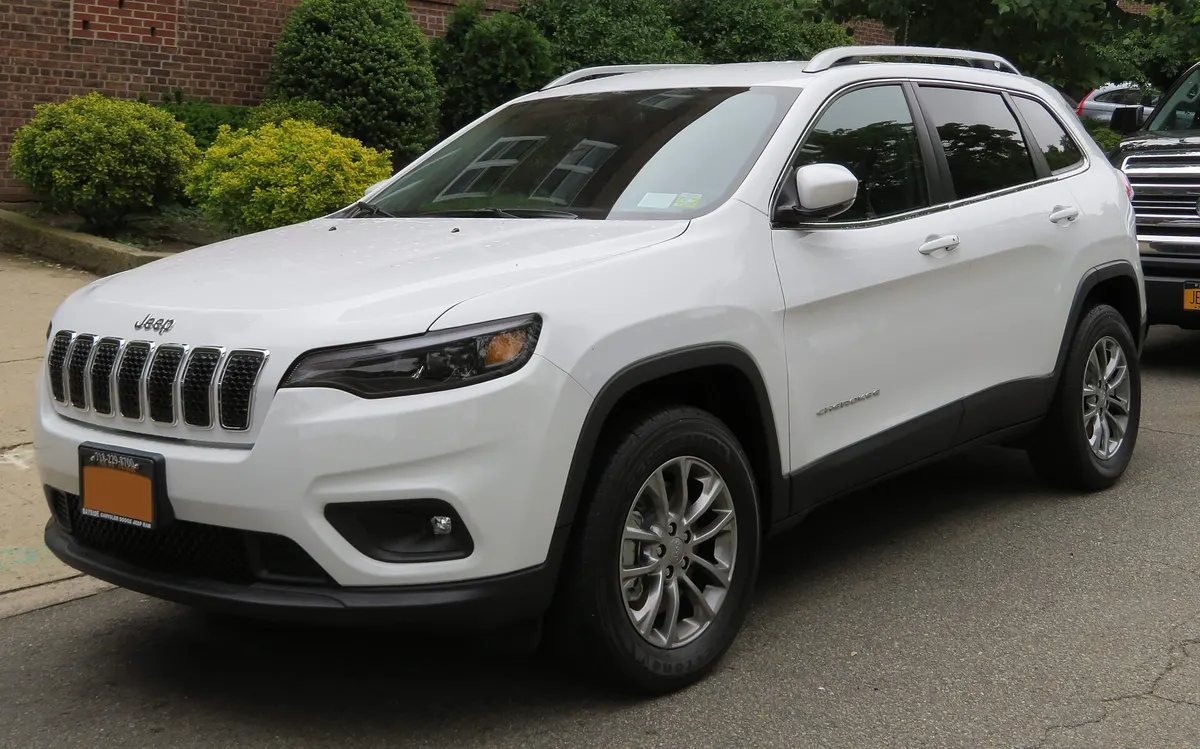
The KL Cherokee looks the part and is genuinely capable off-road in Trailhawk form, but it launched with one of the most troubled drivetrains of the decade: ZF's 9-speed automatic. Early 2014–2015 cars are flooded with harsh-shift and shift-to-neutral complaints, and AWD models carry a power transfer unit (PTU) that can fail. Later years are far better. Buy a 2017+ on documented maintenance and it's a usable family SUV; buy an unverified 2014–2015 and you may be buying someone else's transmission headache.
2017, 2018, 2019
2014 (worst year, transmission and stalling complaints peak +1 more
Engines
- Tigershark MultiAir 2 · 2.4L gasoline, 184 hp
- Pentastar · 3.2L gasoline, 271 hp
- 2.0L turbo (GME T4) · 2.0L gasoline, 270 hp
Transmissions
- ZF 9HP48 (948TE) · automatic, 9-speed
Drivetrain
FWD / AWD
Body
suv
Trims
Sport, Latitude, Limited, Trailhawk, Overland
Jeep Cherokee part-number cross-reference
Start from the OEM number, then pick the brand you trust. Verified equivalents for the Jeep Cherokee (2014–2019).
Part links go to Amazon, and to eBay where Amazon does not stock the part. Affiliate links, so we may earn a commission if you buy. Your price is unchanged, and a commission never changes a verdict.
Oil filter (2.4L Tigershark)
Mopar
MO-339 family; also cataloged as 5047769AA / 4884900AB. A common small Chrysler spin-on shared with the Dart/200/Compass/Renegade 2.4L.
Find Mopar oil filter on AmazonVerified via: EngineHungry - 2015 Cherokee 2.4L OEM oil filter Mopar 4892339AA (5.5 qt), oilfilter-crossreference - Wix 57060 spin-on crosses to Chrysler 04892339AA/5047769AA, Fram PH10060/TG10060, Purolator L12222, worldsbestoil - 2015 Cherokee 2.4L lists Wix 57060 / AMSOIL EA15K50
Oil filter (3.2L Pentastar)
Mopar
MO-349; supersedes 68191349AA/AB. Shared across 3.0/3.2/3.6 Pentastar V6s (Cherokee KL 3.2, Grand Cherokee/Wrangler/Ram 3.6). Does NOT fit the 3.0 EcoDiesel.
Find Mopar oil filter on Amazon, 3.2LVerified via: oilfilter-crossreference - Mopar 68191349AC to Fram CH11665/CH11665ECO, Wix WL10010, Purolator L36296, NAPA 100010, JustForJeeps - Mopar 68191349AC fits 2014-2022 Cherokee KL 3.2L gas (and 3.6L WK/JK/JL); not for 3.0L diesel, EngineHungry - 2015 Cherokee 3.2L OEM oil filter Mopar 68191349AC (5.9 qt)
Engine air filter (2014-2018, both engines)
Fram
Extra Guard flex panel; Fram, Amazon and Walmart all scope it to 2014-2018 Cherokee 2.4L & 3.2L
Look up Fram engine air filterVerified via: FRAM - CA11877 Extra Guard flex-panel air filter (Fram official product page), Amazon - FRAM CA11877 for select 2014-2018 Jeep Cherokee (3.2L & 2.4L); crosses Mopar 52022378AA / PA9969
Engine air filter (2019 facelift, both engines)
Mopar
air cleaner element for 2019-2023 Cherokee 2.4L / 3.2L (also 2.2L diesel). Do not use the 2014-2018 52022378AA on a 2019.
See Mopar engine air filter on AmazonVerified via: Mopar Online Parts - 2019 Cherokee engine air filter: 68245310AA (2.2/2.4/3.2L) vs 68320315AB (2.0L), Mopar eStore / TascaParts - 68245310AA air cleaner element, 2019-2023 Jeep Cherokee 2.4L & 3.2L
Cabin air filter (2014-2018)
Mopar
supersedes to 68223044AB; also fits Chrysler 200 (UF) 2015-2017
Compare Mopar cabin air filter on AmazonVerified via: JustForJeeps - Mopar 68223044AA cabin air filter for 2014-2018 Cherokee KL (and 200), airfilter-crossreference - Mopar 68223044AA to Wix WP10142, Fram CF12000/CV12000, Bosch P3958WS, Mahle LA1508, Denso 453-5000
Cabin air filter (2019 facelift)
Mopar
listed for 2.0L/2.4L/3.2L; Mopar eStore also lists 68535624AA as the 2019-2021 Cherokee cabin filter
Compare Mopar cabin air filter on Amazon, AllVerified via: Mopar Online Parts - Cherokee cabin filter 68410725AB (2.0/2.4/3.2L), distinct from 2014-2018 68223044AB, Mopar eStore - 68535624AA cabin air filter, 2019-2021 Jeep Cherokee
Spark plugs (2.4L Tigershark)
Mopar
NGK-made; supersedes SP148183AC. Shared with Compass/Renegade/Dart and Chrysler 200 2.0-2.4L (2013-2023)
Find Mopar spark plugs on AmazonNGK
Laser Iridium, NGK stock 92145; retailer fitment lists it for 2014-2020 Cherokee 2.4L, gap 0.043 in
Look up NGK spark plugsVerified via: Mopar eStore / AllMoparParts - Mopar SP148183AD (supersedes AC) spark plug for 2.0L/2.4L Jeep Cherokee/Compass/Renegade, Amazon - NGK Laser Iridium LZFR5CI-11 (92145) for Jeep Cherokee 2.4L L4 2014-2020, NGK - ILKAR7L11 (94124) fitment is Mazda/Toyota only, confirming it does NOT fit the Cherokee 2.4L (mislisting)
Spark plugs (3.2L Pentastar)
Mopar
the OE plug is a Champion RER8ZWYCB4; ...AE is a later revision. Shared across the Pentastar family (KL 3.2, WK2/JK/JL 3.6)
Check Mopar spark plugs on AmazonVerified via: JustForJeeps - Mopar SP149125AE listed for Grand Cherokee WK2 3.6L, JK 3.6L and Cherokee KL 3.2L, JeepGarage spark-plug spec thread - SP149125AD = Champion RER8ZWYCB4, 0.043 in gap, 13 ft-lb
Front brake pads
Mopar
front pad kit for BR1 (2015-2022) / BRF (2014-2020); later revision 68225170AF. The BR3 (2015-2023) / BRG (2014-2020) cars use Mopar 68459898AB instead. Akebono is the OE pad supplier.
Compare Mopar front brake pads on AmazonVerified via: JustForJeeps - Mopar front brake pads for 2014-2023 Cherokee KL: 68225170AC (BR1/BRF) and 68459898AB (BR3/BRG), newparts / FinditParts - Akebono ACT1623 and Wagner ZD1640 cross-reference to Mopar 68225170AC
Wiper blades
Aftermarket (match by length)
any J-hook/U-hook beam blade in these sizes (Bosch ICON, Rain-X, Trico, etc.)
See Aftermarket wiper bladesVerified via: Amazon - OE-replacement wiper set for 2014-2021 Jeep Cherokee: 26 in / 18 in / 14 in rear, eBay - AERO Jeep Cherokee 2014-2019 26 in + 18 in + 14 in beam blade set
Serpentine belt (2.4L Tigershark)
Verified via: MoparPartsGiant - Mopar 4627166AC serpentine/drive belt, 2014-2023 Cherokee 2.4L GAS, FinditParts - Gates K060905 Micro-V belt, fits 2014-2019 Cherokee 2.4L L4
Serpentine belt (3.2L Pentastar)
Verified via: MoparPartsGiant - Mopar 4627534AA drive belt, 2014-2022 Cherokee 3.2L GAS, O'Reilly Auto Parts / Sixity - Gates K060841 Micro-V belt for 2014-2019 Cherokee 3.2L V6
Battery (BCI group)
Any Group 48 (H6)
match the group size and CCA (Duralast/DieHard/Optima H6, etc.)
Find Any Group 48 batteryVerified via: Interstate Batteries - MTZ-48 (H6) fitment for 2015 Jeep Cherokee L4 2.4L, AutoZone - 2015 Jeep Cherokee battery, Group 48/H6 (~730-760 CCA)
Should I buy a 2014–2019 Jeep Cherokee?
Buy a later one, carefully, or walk. The KL Cherokee is a comfortable, capable SUV when it works, but the 2014–2015 cars carry a real risk of an expensive transmission or PTU problem, and Consumer Reports rated most years below average for reliability. The safe play is a 2017 or newer with the 3.2 V6, an AWD car whose PTU recalls are documented as completed, and clear evidence the 9-speed software reflashes were applied. The 2.4 four-cylinder is fine for light duty but check it for oil consumption. Skip any 2014–2015 car you can't fully verify.
Best years
2017, 2018, 2019
Years to avoid
2014 (worst year, transmission and stalling complaints peak here), 2015 (still heavy transmission/PTU complaint volume)
Pre-Purchase Checklist for Jeep Cherokee
- ☐Test drive long enough to feel the 9-speed shift through all gears at varied speeds. Harsh bangs, long hesitation before downshifts, or a drop to neutral are red flags.
- ☐On AWD cars, confirm the PTU recalls (FCA W47/W48 and the later input-snap-ring action) were completed. A dealer can verify by VIN.
- ☐Listen under the car for a whine or grinding from the PTU, especially on turns and during acceleration.
- ☐On the 2.4 Tigershark, check oil level against the last change and ask the seller how much oil it uses between changes.
- ☐On the 3.2 V6, listen for a ticking/tapping from the top of the engine at idle, possible rocker arm wear.
- ☐Scan for stored codes (P0128 thermostat, P0301–P0306 misfire, P0456 EVAP) even if no light is on.
- ☐Confirm the transmission software is up to date. A dealer can check the calibration level by VIN.
- ☐Check for coolant/oil seepage around the oil filter housing on the four-cylinder.
Common Jeep Cherokee problems & repair costs
ZF 9-speed harsh/erratic shifting and shift-to-neutral
$200–$5,500Symptoms: Hard, banging upshifts and downshifts; long hesitation when you ask for power; the transmission 'hunting' for a gear; in the worst cases an unexpected drop into neutral while driving. A valve can stick and prevent a clutch from disengaging, which prompts the shift to neutral.
Fix: First step is the dealer software reflash/recall update, which resolves a large share of the complaints and may be free under recall. If the unit is mechanically damaged, repair escalates fast. A rebuild or replacement of the 948TE runs into the thousands. 2014–2015 models alone generated thousands of transmission complaints.
Sources: CarComplaints: Jeep Cherokee transmission, Consumer Reports: Cherokee transmission recall, The Car Connection: 9-speed recall coverage
Power transfer unit (PTU) failure on AWD models
$1,600–$3,000Symptoms: Whining or grinding noise (often worse in turns), loss of drive to the front wheels, or a complete loss of power while driving if the PTU fails to maintain the connection between transmission and front wheels. The actuator on top of the unit is a common failure point.
Fix: FCA issued safety recalls W47 and W48 for the PTU, plus a later recall for improperly installed PTU input-shaft snap rings on some 2017–2019 cars. Verify recall completion by VIN first. Out of coverage, FCA sells the PTU only as a non-rebuildable assembly, so it's an expensive replacement; sometimes only the actuator has failed.
Sources: Consumer Reports: Cherokee PTU recall (lose power), Go-Parts: Cherokee/Chrysler 200 PTU failures explained, AboutLawsuits: Jeep recalls Cherokee for damaged powertrain
Engine stalling (concentrated in 2014–2015)
$150–$1,500Symptoms: Unexpected stalling, sometimes during low-speed turns; in some reports tied to oil consumption on the 2.4 running low between changes. Loss of power steering and brake assist when the engine quits is the safety concern.
Fix: Diagnosis varies: software updates, sensor or thermostat repair, or addressing oil consumption. The 2014–2015 stalling complaint cluster is the main reason those years are flagged to avoid.
Sources: Samarins: Cherokee common problems, CarComplaints: Jeep Cherokee engine
2.4L Tigershark oil consumption
$100–$1,200Symptoms: Oil level dropping noticeably between changes with no obvious external leak; low-oil warnings; in worst cases contributes to stalling. Some cars also seep oil/coolant at the filter housing.
Fix: Start with a documented oil-consumption test. Mild cases are managed by checking oil between changes; severe consumption can require engine work. Address filter-housing seepage separately with a new housing/gasket.
Sources: Samarins: Cherokee common problems
3.2L Pentastar valvetrain ticking (rocker arms)
$400–$2,500Symptoms: A ticking or tapping noise from the top of the engine, often from one valve cover area. If ignored, a failing rocker arm can damage the camshaft.
Fix: Diagnose the noise early. A rocker arm/lifter repair caught in time is far cheaper than a camshaft replacement after the lobe is wiped. Keep oil changes on schedule to limit valvetrain wear.
Sources: Samarins: Cherokee common problems
A clean later KL is reasonable to own. Routine maintenance is ordinary and the cabin holds up well. The downside risk is what sets this SUV apart. A failed PTU or a mechanically damaged 9-speed are four-figure repairs that can rival the car's value, and they cluster on the early years. The single most important cost-control move is buying a year that already worked through the recalls, then keeping oil changes religious (it protects both the Tigershark from consumption and the Pentastar valvetrain). Budget normal money for brakes, tires, and a possible thermostat or oil-filter housing; reserve the big numbers for an unverified early car.
Cost calculator
What will this Jeep Cherokee cost you by a given mileage?
Drag to a mileage. We total the documented problems whose typical onset falls at or before it. The same cost ranges listed above, nothing new invented.
$0 estimated repair range
Have a repair quote for this Jeep Cherokee?
Audit against OEM book times, uncover duplicate pad and rotor labor, and verify parts markups.
How to fix common Jeep Cherokee problems (DIY)
Replace the engine thermostat (2.4L, code P0128)
Tools: Socket set + extensions, Drain pan, Coolant + funnel, Torque wrench
- Let the engine cool completely, then drain the coolant into a clean pan.
- Remove the components blocking access to the thermostat housing on the 2.4.
- Unbolt the housing, remove the old thermostat, and clean the sealing surface.
- Install the new thermostat/housing with a fresh gasket or O-ring and torque to spec.
- Refill with the correct coolant, burp the system, and run to temperature checking for leaks.
- Clear the code and confirm the engine reaches normal operating temperature.
Parts
- Thermostat / housing (2.4L Tigershark) · Amazon $30–$80
- Coolant (correct OAT spec) · Amazon $20–$35
Cabin air filter replacement
Tools: Screwdriver (glovebox)
- Open the glovebox and release the stops so it drops fully down.
- Remove the filter access cover behind the glovebox.
- Slide out the old filter, noting the airflow arrow direction.
- Insert the new filter with the arrow oriented the same way and reassemble.
Parts
- Cabin air filter (KL Cherokee) · Amazon $10–$18
Engine air filter replacement
Tools: Screwdriver or trim clip tool
- Unclip or unscrew the airbox lid.
- Lift out the old panel filter and wipe out any debris in the housing.
- Drop in the new filter seated flat in the box.
- Re-secure the airbox lid and clips.
Parts
- Engine air filter (KL Cherokee) · Amazon $12–$22
Some parts links are affiliate links. We may earn a commission at no cost to you. We only list parts that fit this generation.
The short version
The 2014–2019 Jeep Cherokee (the KL) is a comfortable, surprisingly capable SUV wrapped around a drivetrain that gave Jeep years of headaches. The headline issue is ZF’s 9-speed automatic. The KL was one of the first vehicles to use it, and the early calibration was bad enough that 2014–2015 cars piled up thousands of complaints about harsh shifting, long hesitation, and unexpected drops into neutral. Jeep chased it with recalls and software reflashes, and the later years are genuinely better.
The second issue is the AWD power transfer unit (PTU). It can fail and cut drive to the front wheels, serious enough that it drew multiple safety recalls. That’s not a problem you fix on a budget if it’s out of coverage.
What that means when you’re shopping
Year matters more here than on almost any other used SUV. A 2017 or newer Cherokee has worked through the worst of the transmission calibration and most of the recall actions. A 2014 or 2015 car is the one to be careful with, and Consumer Reports rated those years below average for reliability.
If you’re looking at an AWD car of any year, treat the PTU recalls as the first thing to clear: a dealer can confirm by VIN whether the recall work was done. On the road, drive it long enough to feel the 9-speed shift through its full range. Harsh bangs or a long pause before a downshift are warning signs. Pick the 3.2L V6 if you can; the 2.4L four-cylinder is fine for light duty but is the one tied to oil consumption, so check it.
Everything else is ordinary SUV ownership: brakes, tires, a thermostat, maybe an oil-filter housing. The reason this file scores low isn’t the cabin or the off-road ability; it’s the real chance of a four-figure transmission or PTU bill on an unverified early car.
How this file is built: failure modes and cost ranges are compiled from NHTSA complaint and recall data, CarComplaints reports, FCA recall actions, Consumer Reports reliability ratings, and owner reporting, then sanity-checked against shop-floor experience. Cost figures are independent-shop estimates and vary by region. Spot something off? Tell us.
Viral car myths, checked against this car
- Misleading
Is the "$2 liquid that stops any leak" really banned in 11 states?
Automotive stop-leak products are not banned in any US state. The products are real (Bar's Leaks, BlueDevil), they work in specific narrow situations, and they can permanently damage your cooling or oiling system if applied to the wrong leak.
- Dangerous
Is the "$2 liquid that destroys engine sludge forever" real? Our shop-floor verdict.
An aggressive solvent flush on a high-mileage engine is a textbook way to spin a bearing. The viral 'kitchen-cabinet flush' is folklore that real shops spend money cleaning up after.
Frequently asked questions
Which Jeep Cherokee years should I avoid?
The 2014 and 2015 model years. They carry the heaviest volume of 9-speed transmission complaints (harsh shifting and shift-to-neutral) and the engine-stalling reports, and Consumer Reports rated them below average. If you want a KL Cherokee, a 2017 or newer is a much safer used buy.
Is the ZF 9-speed transmission reliable?
It started rough. The early KL was one of the first vehicles with ZF's transverse 9-speed, and 2014–2015 cars generated thousands of complaints plus multiple recalls and software reflashes. Calibration improved meaningfully in later years. Always confirm the transmission software is current and test drive for harsh or hesitant shifts.
What is the PTU and why does it matter?
The power transfer unit sends power to the front wheels on AWD Cherokees. It can fail with whining, loss of front drive, or in the worst case loss of power while driving, which is why FCA issued safety recalls (W47/W48) and a later snap-ring recall. On any AWD car, verify the PTU recalls were completed by VIN before buying.
Should I get the 2.4 four-cylinder or the 3.2 V6?
The 3.2 Pentastar V6 is the better engine for most buyers. It is stronger for merging and towing, and the four-cylinder can be sluggish and is the one associated with oil consumption. Whichever you pick, keep oil changes on schedule: it limits Tigershark consumption and protects the Pentastar valvetrain.
Is the Jeep Cherokee Trailhawk actually good off-road?
Yes. The Trailhawk is genuinely capable for a unibody crossover, with better ground clearance, skid plates, and a low-range mode. The off-road hardware isn't the weak point; the early drivetrain reliability is. Buy a later Trailhawk on documented maintenance and recall history.
Cross-shopped rivals
Files on what buyers weigh against the Jeep Cherokee of this era.