Case file · TOYOTA-RAV4-2006-2012 · 3rd gen (XA30)
Toyota RAV4 2006–2012Common problems, reliability & repair costs
The 3rd-gen RAV4 is a fundamentally tough, long-lived small SUV, but the 2.4L four-cylinder has one real flaw. The 2AZ-FE engine in 2006–2008 cars (and some through 2011) can burn alarming amounts of oil from worn piston rings, which Toyota covered for a while with a warranty extension and TSB. The optional 3.5L V6 has none of that drama and is one of the better engines of its era. Buy a clean V6, or a four-cylinder whose oil habit you've verified.
2009, 2010, 2011
2006–2008 four-cylinder (2AZ-FE oil consumption) unless veri
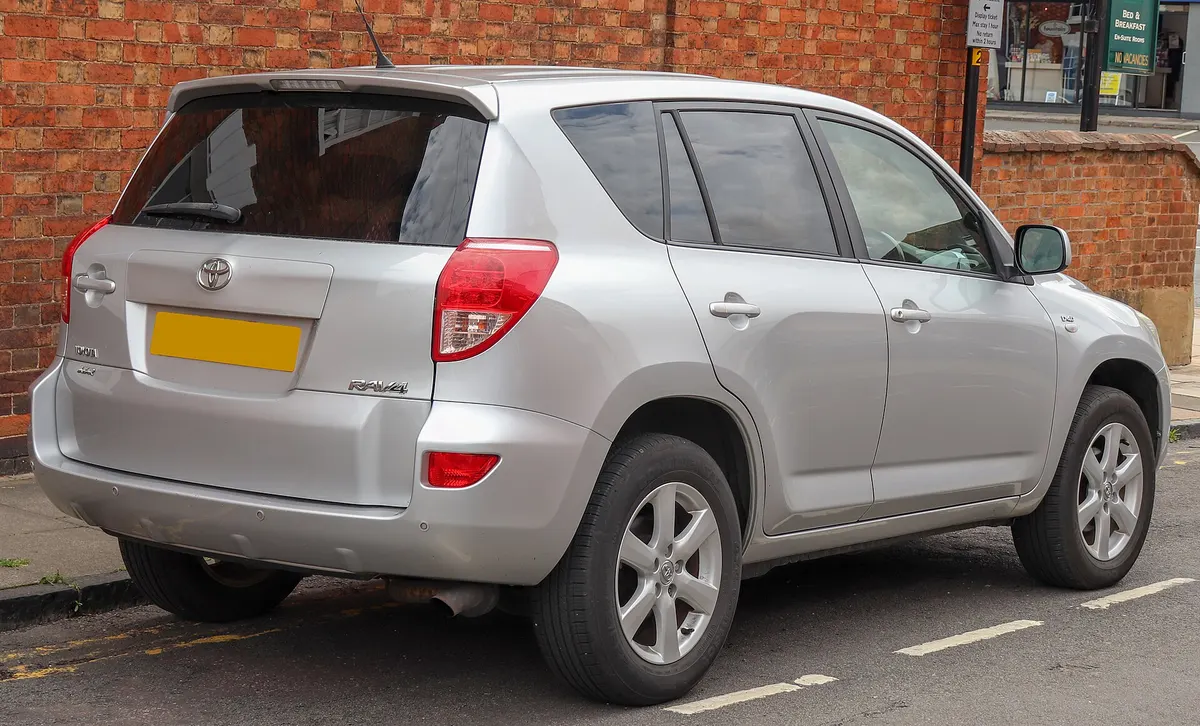
Engines
- 2AZ-FE · 2.4L gasoline, 166 hp
- 2AR-FE · 2.5L gasoline, 179 hp
- 2GR-FE · 3.5L gasoline, 269 hp
Transmissions
- automatic , 4-speed
- automatic , 5-speed
Drivetrain
FWD / AWD
Body
suv
Trims
Base, Sport, Limited
Toyota RAV4 part-number cross-reference
Start from the OEM number, then pick the brand you trust. Verified equivalents for the Toyota RAV4 (2006–2012).
Part links go to Amazon, and to eBay where Amazon does not stock the part. Affiliate links, so we may earn a commission if you buy. Your price is unchanged, and a commission never changes a verdict.
Engine oil filter (2.4L 2AZ-FE)
Purolator
PL14476 is the PurolatorONE tier; Mobil 1 M1-103A also crosses per FinditParts
See Purolator engine oil filterVerified via: ToyotaPartsDeal: RAV4 oil filters by year (90915-10004 line for 2001-2009 RAV4), FinditParts: Fram PH4967 cross-reference (incl. Toyota 90915-10004/90915-YZZF2/90915-YZZN1), oilfilter-crossreference.com: Toyota 90915-YZZF2 alternatives
Engine oil filter (2.5L 2AR-FE / 3.5L V6 2GR-FE)
Fram
Cartridge; Fram lists 2006-2018 RAV4. TG9972/XG9972 are higher tiers of the same element
Look up Fram engine oil filter, 2009-2012Verified via: ToyotaPartsDeal: RAV4 oil filters by year (04152-31090 superseded by 04152-YZZA1, 2.5L/3.5L), PartsHawk: Fram CH9972 fitment (2006-2018 RAV4, cartridge), oilfilter-crossreference.com: Toyota 04152-YZZA1 alternatives
Engine air filter
Verified via: ToyotaPartsDeal: RAV4 engine air filters by year (17801-31120/17801-AD010 replaced by 17801-YZZ06), airfilter-crossreference.com: Toyota 17801-31120 alternatives
Cabin air filter
Verified via: ToyotaPartsDeal: 87139-52020 (fits 2006-2012 RAV4; replaced by 87139-02090), ToyotaPartsDeal: RAV4 cabin air filters by year, airfilter-crossreference.com: Toyota 87139-YZZ08 alternatives (Fram CF10285, Denso DCF356P, Wix WP9290), Amazon: EPAuto CP285 (CF10285) listing
Should I buy a 2006–2012 Toyota RAV4?
Buy it, and lean toward the V6 or a 2009+ four-cylinder. The 3rd-gen RAV4 is a dependable, easy-to-own SUV that routinely passes 200,000 miles with basic care. The one thing that separates a great buy from a money pit is the 2.4L 2AZ-FE oil-consumption problem on 2006–2008 cars. On those, verify the engine isn't a heavy oil burner before you buy. A 2AZ that's been quietly running low on oil can be a step from real engine damage. The 3.5L V6 has none of this and is a quietly excellent choice. Also confirm the rear suspension recall (16V596000) was completed, especially on rust-belt cars.
Best years
2009, 2010, 2011, 2012
Years to avoid
2006–2008 four-cylinder (2AZ-FE oil consumption) unless verified
Pre-Purchase Checklist for Toyota RAV4
- ☐On any 2.4L car: check the oil level on the dipstick and look at the color/level. An engine that's low or has very dark oil right after a recent change is a red flag for the consumption issue.
- ☐Ask the seller how much oil it uses between changes; a quart every 1,000–1,500 miles points to worn rings on the 2AZ-FE.
- ☐Watch for blue smoke from the exhaust on cold start and hard acceleration, the classic oil-burning sign.
- ☐Turn the steering wheel lock-to-lock slowly at a stop and listen for a clunk/pop, the known intermediate-shaft wear.
- ☐Confirm via VIN whether the rear suspension arm recall (16V596000) was performed. This is critical on cars from rusty climates.
- ☐Inspect the dashboard top for cracking, especially on sun-belt cars.
- ☐Listen for a whine or look for coolant weeping near the front of the engine. Water pumps are a common wear item past ~80k.
- ☐On the V6, confirm regular oil and transmission-fluid service; it's robust but not maintenance-free.
Common Toyota RAV4 problems & repair costs
Excessive oil consumption (2.4L 2AZ-FE)
$1,500–$4,000Symptoms: Oil level dropping fast between changes. Owners commonly report a quart per ~1,000–1,500 miles, sometimes worse. Blue smoke on cold start or hard acceleration. If ignored, the engine can run dangerously low and suffer real damage.
Fix: The proper fix is replacing the pistons and piston-ring set (per Toyota TSB T-SB-0094-11). Toyota covered affected engines for a period under a warranty extension / powertrain coverage; many owners outside that window pay for the ring job or, if damage occurred, a used/reman engine. Cheapest mitigation is simply checking and topping oil religiously.
Sources: CarComplaints: 2006 RAV4 excessive oil consumption (83 complaints), Toyota TSB T-SB-0094-11 (2AZ-FE oil consumption): owner forum thread
Intermediate steering shaft clunk
$200–$700Symptoms: A distinct clunk, pop, or knock felt through the steering wheel, usually at low speed or when turning while stopped. Comes from wear in the U-joints of the intermediate steering shaft.
Fix: Replace the intermediate steering shaft with the updated part (Toyota TSB T-SB-0033-11). It's a relatively contained job, not a full steering rack. Don't let a shop talk you into the expensive parts first.
Sources: NHTSA TSB: '06–'08 RAV4 steering gear/intermediate shaft clarification, CarComplaints: RAV4 steering problems
Rear suspension arm corrosion / loosening
$0–$800Symptoms: On cars where the rear tie-rod adjusting lock nuts weren't properly tightened during service, the arm can suffer thread damage and rust. In a worst case the arm fails, causing an abrupt alignment change and possible loss of control.
Fix: Subject to NHTSA recall 16V596000 (337,449 vehicles): Toyota dealers replace both rear suspension arms and encapsulate the lock nuts free of charge. Verify by VIN that this was done; if it wasn't, get it scheduled. Out of recall scope, arm replacement is the paid fix.
Sources: NHTSA Safety Recall 16V596000: RAV4 rear lower suspension arm, Justia: RAV4 rear suspension recall 16V596000
Water pump failure
$350–$800Symptoms: Coolant weeping or leak near the front of the engine, a whine from the engine bay, and in later stages overheating.
Fix: Water pump replacement, typically with new coolant and a thermostat if needed. A normal wear item on this generation. Budget for it once past ~80k miles if it hasn't been done.
Dashboard cracking
$100–$500Symptoms: The top of the dashboard develops cracks and can rattle, most often on cars left in strong sun for long periods.
Fix: Cosmetic. A dash cover or cap hides it cheaply; full dash replacement is rarely worth it. Doesn't affect how the car drives.
Outside the 2AZ oil issue, the 3rd-gen RAV4 is cheap and predictable to keep. Parts are everywhere, the V6 and 2.5L fours are durable, and routine maintenance is straightforward. Most owner spend is normal wear: brakes, tires, a water pump past 80k, and the steering shaft if it clunks. The big number to plan for is only the 2006–2008 four-cylinder's oil habit, which is why so much of buying one well comes down to verifying that engine before you sign.
Cost calculator
What will this Toyota RAV4 cost you by a given mileage?
Drag to a mileage. We total the documented problems whose typical onset falls at or before it. The same cost ranges listed above, nothing new invented.
$0 estimated repair range
5-Year Maintenance Schedule & Cost to Own
Every scheduled service by mileage, fluid capacities, independent shop ranges, and parts cross-references.
Have a repair quote for this Toyota RAV4?
Audit against OEM book times, uncover duplicate pad and rotor labor, and verify parts markups.
How to fix common Toyota RAV4 problems (DIY)
Replace water pump
Tools: Socket set + ratchet, Drain pan, Coolant + funnel, Torque wrench, Serpentine belt tool (if belt-driven access)
- Drain the coolant into a clean pan and remove the splash shield / accessory belt as needed for access.
- Unbolt the water pump from the engine, noting bolt lengths and locations.
- Clean the mating surface thoroughly so the new gasket seals.
- Install the new pump with a fresh gasket/seal, torque the bolts in sequence to spec.
- Refill with the correct coolant, burp the air out, and run the engine to temperature checking for leaks.
Parts
- Water pump (3rd-gen RAV4) · Amazon $30–$80
- Coolant (Toyota Super Long Life / equivalent) · Amazon $20–$35
Cabin & engine air filter change
Tools: Screwdriver (cabin filter cover)
- Open the glovebox, release the side stops to drop it down, and pull the cabin filter cover.
- Slide out the old cabin filter; insert the new one with the airflow arrow pointing down.
- For the engine filter, unclip the airbox lid, drop in the new panel filter, and re-clip.
Parts
- Cabin air filter (3rd-gen RAV4) · Amazon $8–$15
- Engine air filter (3rd-gen RAV4) · Amazon $12–$22
Some parts links are affiliate links. We may earn a commission at no cost to you. We only list parts that fit this generation.
The short version
The 2006–2012 Toyota RAV4 is a genuinely tough little SUV that routinely runs past 200,000 miles, if you pick the right engine. The 2.4-liter 2AZ-FE four-cylinder in 2006–2008 cars (and some through 2011) can burn through oil because of worn piston rings, sometimes a quart every 1,000–1,500 miles. Toyota acknowledged it in a technical service bulletin and covered affected engines for a while, but a lot of owners didn’t see the problem until after that coverage expired.
That single issue is the difference between a dependable $9,000 SUV and one a step away from an engine.
What that means when you’re shopping
If you can find a 3.5L V6, take a hard look. The 2GR-FE is one of the better engines of its era, strong and drama-free, with none of the oil issue. Among four-cylinders, the 2009–2012 cars use the newer 2.5L and are far less consumption-prone than the early 2.4L.
If you’re looking at a 2006–2008 four-cylinder, treat the engine as the first thing to clear. Check the dipstick, ask how much oil it uses, and watch for blue smoke on a cold start. A 2.4L that’s been quietly running low for years can be living on borrowed time.
Two other things to verify on any year. First, the rear suspension recall (NHTSA 16V596000): make sure it was completed, especially on a rust-belt car. Second, the steering. A clunk when you turn at low speed is the known intermediate-shaft wear; it’s a cheap fix, not a reason to walk, but use it to negotiate.
Everything else here is ordinary used-Toyota stuff: a water pump that gets tired past 80k, a dash that can crack in the sun, brakes and tires. None of it should scare you off a clean example.
How this file is built: failure modes and cost ranges are compiled from NHTSA complaint and recall data, Toyota’s own service bulletins and recall actions, and owner reporting, then sanity-checked against shop-floor experience. Cost figures are independent-shop estimates and vary by region. Spot something off? Tell us.
Viral car myths, checked against this car
- Outdated
Does a "$1 mineral" really double car battery life? The Epsom-salt reality.
The mineral is Epsom salt (magnesium sulfate). It was a real desulfation hack for serviceable flooded-cell batteries 40+ years ago. It does not work on modern sealed AGM or EFB batteries, and trying it on yours will void the warranty without helping the battery.
- Mostly False
Does a "$3 liquid" really kill car rust permanently? The phosphoric-acid reality.
The $3 liquid is almost certainly phosphoric acid (sold as Ospho or Naval Jelly). It converts surface rust to iron phosphate. It does not kill rust 'permanently,' does not restore perforated steel, and was never buried by anyone. It has been on hardware store shelves continuously since the 1940s.
- Dangerous
Is the "$2 liquid that destroys engine sludge forever" real? Our shop-floor verdict.
An aggressive solvent flush on a high-mileage engine is a textbook way to spin a bearing. The viral 'kitchen-cabinet flush' is folklore that real shops spend money cleaning up after.
- Misleading
Is the "$2 liquid that stops any leak" really banned in 11 states?
Automotive stop-leak products are not banned in any US state. The products are real (Bar's Leaks, BlueDevil), they work in specific narrow situations, and they can permanently damage your cooling or oiling system if applied to the wrong leak.
Frequently asked questions
Which Toyota RAV4 years should I avoid?
The 2006–2008 four-cylinder cars carry the 2AZ-FE excessive-oil-consumption risk. They're not automatically bad, and many run fine, but on those years you must verify the engine isn't a heavy oil burner before buying. The 2009–2012 cars (with the 2.5L four) and any V6 are the safer used picks.
Is the RAV4 oil consumption problem covered by Toyota?
Toyota acknowledged it in TSB T-SB-0094-11 and covered affected 2AZ-FE engines for a period under powertrain warranty / a warranty extension (the proper fix is replacing the pistons and rings). A lot of owners only saw the problem appear after that coverage ran out, so on a used car you're usually on your own, which is why it pays to catch it before buying.
Should I get the four-cylinder or the V6?
The 3.5L V6 (2GR-FE) is one of the better engines of its era: strong, smooth, durable, and free of the oil-consumption issue. If you can find a well-kept V6 it's the worry-free choice. Among fours, prefer the 2009+ 2.5L over the earlier 2.4L. Fuel economy is the only real trade-off.
What is the steering clunk, and is it dangerous?
It's wear in the intermediate steering shaft's U-joints, which makes a clunk or pop when you turn, most noticeable at low speed. It's annoying more than dangerous, and the fix (an updated shaft per TSB T-SB-0033-11) is far cheaper than a full steering rack, so don't let it scare you off a good car.
How many miles will a 3rd-gen RAV4 last?
A sound, maintained RAV4, especially the V6 or a 2.5L four, readily reaches 200,000–250,000 miles. The cars that fall short are usually neglected 2.4L fours where the oil consumption was ignored until the engine was damaged.
Every Toyota RAV4 generation
The full case file run, beyond the generation before and after this one.
Cross-shopped rivals
Files on what buyers weigh against the Toyota RAV4 of this era.