Case file · VOLKSWAGEN-PASSAT-2012-2019 · NMS (US-built B7-era) (A32 / NMS)
Volkswagen Passat 2012–2019Common problems, reliability & repair costs
The US-built Passat (built in Chattanooga, not the smaller European B7/B8) was VW's bid for a roomy, value-priced midsize sedan. It's genuinely comfortable and cheap to buy used, but it's a German car with German upkeep: the EA888 1.8/2.0 TSI engines have carbon buildup and plastic-housing water-pump leaks, and the 2.0 TDI diesels are tangled up in the Dieselgate emissions saga. Buy with eyes open and a maintenance budget.
2014, 2017, 2018
2012–2013 (highest complaint volume) +1 more
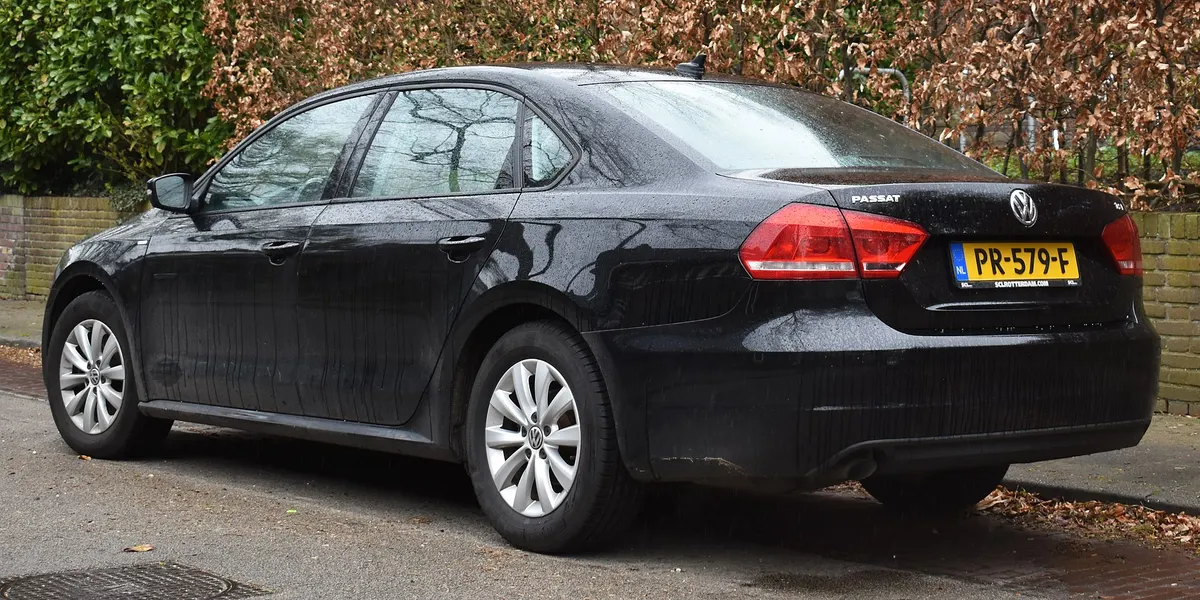
Engines
- EA888 (1.8 TSI) · 1.8L gasoline, 170 hp
- DDSA (2.0 TSI) · 2.0L gasoline, 174 hp
- 2.5 (I5) · 2.5L gasoline, 170 hp
- EA189 / EA288 (2.0 TDI) · 2.0L diesel, 140 hp
- VR6 (3.6) · 3.6L gasoline, 280 hp
Transmissions
- automatic , 6-speed
- manual , 5-speed
- DSG (DQ250) · dct, 6-speed
Drivetrain
FWD
Body
sedan
Trims
S, SE, SEL, SEL Premium, Wolfsburg Edition, R-Line, TDI SE/SEL
Volkswagen Passat part-number cross-reference
Start from the OEM number, then pick the brand you trust. Verified equivalents for the Volkswagen Passat (2012–2019).
Part links go to Amazon, and to eBay where Amazon does not stock the part. Affiliate links, so we may earn a commission if you buy. Your price is unchanged, and a commission never changes a verdict.
Oil filter
Volkswagen
Find Volkswagen oil filter on AmazonVerified via: ECS Tuning - genuine VW 06D115562, iPD - Mahle OX379D = 06D115562, 2.5 & 2.0 FSI fitment, IDParts - 06D115562 = Mann HU719/6x
Oil filter
Volkswagen
See Volkswagen oil filter on AmazonVerified via: FCP Euro - Mann 06L115562 / HU6013z (EA888.3), AutohausAZ - Mahle 06L115562 / OX835DECO kit (incl. 06L115562B)
Oil filter
Volkswagen
Look up Volkswagen oil filter on AmazonVerified via: FCP Euro - Mahle 03L115562 / OX388DECO oil filter kit (Passat), IDParts - NMS Passat TDI CKRA filter pack lists oil filter 03L115562
Oil filter
Volkswagen
See Volkswagen oil filter on Amazon, 3.6LVerified via: VW ServiceXpress 2012-2015 Passat maintenance parts (via NHTSA): 3.6L VR6 CDVB oil filter 03H115562, VW ServiceXpress 2018 Passat maintenance parts (via NHTSA): 3.6L VR6 CDVB oil filter 03H115562, parts.vw.com - 2013 Passat oil filter element 03H115562, fits Passat 3.6L from 06/13/2011, AutohausAZ - Mahle 03H115562 / OX983D kit, fits Passat 2012-2013 SE/SEL Premium and 2014-2018 GT/SE/SEL Premium, AllEuro - Mahle OX983D = 03H115562
Engine air filter
Volkswagen
Find Volkswagen engine air filter on AmazonVerified via: VW ServiceXpress 2012-2015 Passat maintenance parts (via NHTSA): 2.5L CBTA/CBUA air filter 07K129620, parts.vw.com - 2012 Passat air filter 07K129620, fits Passat 2.5L (also Jetta / Golf / Beetle 2.5), AutohausAZ - Mann 07K129620 (C43102), fits 2012 Passat S/SE/SEL/SEL Premium 2.5L
Engine air filter
Volkswagen
w/cold-climate pkg per VW catalog; 1K0129620 is the w/o-cold-climate sibling
Look up Volkswagen engine air filter on AmazonMann
crosses 1K0129620 (standard-climate); eEuroparts lists it for the 2012-2018 NMS Passat 3.6
See Mann engine air filterVerified via: VW ServiceXpress 2012-2015 Passat maintenance parts (via NHTSA): 3.6L VR6 CDVB air filter 1K0129620B, VW ServiceXpress 2018 Passat maintenance parts (via NHTSA): 3.6L VR6 CDVB air filter 1K0129620B, parts.vw.com - 2014 Passat air filter 1K0129620B: '3.6 LITER, w/cold climate pkg', fits CC 3.6 / Passat 3.6, parts.vw.com - air filter 1K0129620: '3.6 LITER, w/o cold climate pkg' (and does NOT fit the 2012 Passat 2.5L), MANN-FILTER catalog - C 36 188/1 = OE 1K0 129 620 B, cold-climate variant of C 36 188, eEuroparts - Mann C 36 188 = 1K0129620, fits Passat 3.6 V6 2012-2018 (SE / SEL Premium / GT); also crosses Mahle LX 1500, airfilter-crossreference.com - 1K0129620B crosses Mann C36188/1, Mahle LX1500, Hengst E701L01, Bosch F026400477, Fram CA10328, Spareto - OE 1K0129620B: Mann C 36 188/1, Hengst E701L01, Bosch F 026 400 477
Engine air filter
Verified via: VW 2018 Passat maintenance-parts document (via NHTSA)
Engine air filter
Verified via: VW ServiceXpress 2012-2015 Passat maintenance parts (via NHTSA): 1.8L CPKA/CPRA air filter 5C0129620, parts.vw.com - 2016 Passat air filter 5C0129620, 1.8 LITER 2014-18, fits Passat 1.8L / Jetta 1.8L and 2.0T / Beetle 1.8L, AutohausAZ - Mahle 5C0129620 (LX1211), fits Passat 2014-2017 S/SE/SEL/R-Line
Engine air filter
Volkswagen
Check Volkswagen engine air filter on AmazonVerified via: VW ServiceXpress 2012-2015 Passat maintenance parts (via NHTSA): 2.0L TDI CKRA air filter 1K0129620E; CVCA 1K0129620L, IDParts - NMS Passat TDI CKRA filter pack lists air filter 1K0129620E
Cabin air filter
Volkswagen
See Volkswagen cabin air filter on AmazonVerified via: parts.vw.com - genuine 2013 Passat cabin/dust filter 1K1819653B, Pelican Parts - Mann CUK 2939 = 1K1819653B, PartsGeek - Wix 24489 cabin filter, 2012-2022 Passat
Spark plugs
Volkswagen
Look up Volkswagen spark plugs on AmazonVerified via: RM European - 101905601F = Bosch FR7HE02 = NGK ZFR6T-11G (5960), 2.5L L5, parts.vw.com - genuine spark plug 101905601F (Passat)
Spark plugs
Volkswagen
Compare Volkswagen spark plugs on AmazonVerified via: parts.vw.com - genuine 2015 Passat 1.8L spark plug 06K905601D, UroTuning - NGK PLFER7A8EG (94833) = 06K905601D, Gen3 1.8T/2.0T
Spark plugs
Verified via: parts.vw.com - 2013 Passat spark plug 101905622: 3.6 LITER, from 11/09/2010 to 02/19/2018, vendor NGK, parts.vw.com - 2018 Passat (GT / SEL Premium) spark plug 101905622, 3.6 LITER to 02/19/2018, Sixity - NGK 1961 / ILZKR7A, OE cross VW 101 905 622, fits 2006-2018 Passat 3.6L V6, UroTuning - NGK ILZKR7A (1961) = 101905622, VW/Audi 3.6 VR6
Glow plugs
Volkswagen
pressure-sensor glow plug; supersedes 03L905061F / 03L905061K / 03L905061M
See Volkswagen glow plugs on AmazonVerified via: parts.vw.com - genuine 2014 Passat diesel glow plug 03L905061F, IDParts - OEM common-rail TDI glow plug WITH sensor 03L905061M, GermanOEM - pressure-sensor glow plug fits CKRA (among CBEA/CJAA)
Front brake pads
Verified via: FCP Euro - Akebono 5N0698151 / EUR1375 front pad set (Passat), Vivid Racing - Akebono 5N0698151, Passat 2012-2020 / Tiguan / Q3
Wiper blades
Verified via: Otto Wiper Blades - 2012 Passat 24" driver + 19" passenger, Amazon - OE replacement set 24"+19", Passat 2012-2018, WiperBladesUSA - 2019 Passat size chart 24/19
Serpentine (accessory) belt
Volkswagen
Check Volkswagen serpentine on AmazonVerified via: parts.vw.com - genuine 2012 Passat serpentine belt 07K145933F, Scott VW - genuine 07K145933F, Passat 2012-2014 2.5L
Serpentine (accessory) belt
Volkswagen
See Volkswagen serpentine on AmazonVerified via: parts.vw.com - serpentine belt 06K260849A, 21.36 x 1100 mm, from 08/24/2015, fits Passat 2016-2022 1.8L and 2.0L gas, FCP Euro - genuine VW 06K260849A drive belt, Beetle / Jetta / Passat, eEuroparts - Gates K060434 (6 rib, 1101 mm) replaces 06J260849F / 06K260849A; Passat 2016-2022 2.0L, Sixity - Gates K060434 fitment: Passat 2014-2019 1.8L L4 and 2.0L L4; crosses Dayco 5060433, Continental 4060433, Bando 6PK1100, FinditParts - Continental 6PK1100 (6 groove, 43.31 in) crosses 06J260849F; fits Passat 2014-2022, PartsHawk - Dayco 5060433 (6 rib, 1100 mm) fits Passat 2014-2017 and 2018-2022; crosses Gates K060434
Serpentine (accessory) belt
Volkswagen
Check Volkswagen serpentine on Amazon, 2.0LVerified via: IDParts - 03L903137 / Conti 6PK1070, engine codes CBEA/CJAA/CKRA, parts.vw.com - genuine 2013 Passat serpentine belt 03L903137T
Serpentine (accessory) belt
Volkswagen
Compare Volkswagen serpentine on AmazonVerified via: parts.vw.com - 2016 Passat serpentine belt 022145933AP (supersedes 022145933AG / T), fits Passat 3.6L, NewParts - Gates K060635 (6 rib, 1613 mm) fits Passat 2012-2018 3.6L V6; crosses 022145933AG, PartsHawk - Gates K060635 fits 2012-2018 Passat; crosses 022145933AG/AP, Dayco 5060635, Continental 4060635, FinditParts - Continental 6PK1613 fits Passat 2012-2018; crosses 022145933AP, UroTuning - Continental 6PK1613 = 022145933AP, 3.2/3.6 VR6 (R32 / CC / Passat / Eos), PartsHawk - Dayco 5060635 (6 rib, 63.5 in) fits 2012-2018 Passat main drive; crosses Gates K060635, Sixity - Dayco serpentine belt, 2007-2018 Passat 3.6L V6 main drive
Serpentine (accessory) belt
Volkswagen
See Volkswagen serpentine on Amazon, 1.8LVerified via: parts.vw.com - serpentine belt 06J260849F, 21.36 x 1100 mm, to 08/23/2015, fits Passat 2014-2016 1.8L (also Jetta / Beetle 1.8T and 2.0T, Audi 2.0T), Sixity - Gates K060434 fitment: Passat 2014-2019 1.8L L4 and 2.0L L4; crosses 06J260849F, 06K260849A, Dayco 5060433, Continental 4060433, eEuroparts - Gates K060434 replaces 06J260849F / 06K260849A, FinditParts - Continental 6PK1100 crosses 06J260849F; fits Passat 2014-2022, Spareto - OE 06J260849F crosses ContiTech 6PK1100, PartsHawk - Dayco 5060433 fits Passat 2014-2017 and 2018-2022
Battery
BCI group
Check BCI group battery on AmazonVerified via: PowerTex - 2015 Passat BCI Group 48 / H6, AutoPadre - Passat battery size H6 (48) for 2012-2019 gas
Should I buy a 2012–2019 Volkswagen Passat?
A reasonable used buy if you go in clear-eyed and pick the right drivetrain. The 2.5 five-cylinder (2012–2014) is the low-stress, low-cost choice. Boring but tough. The 1.8 TSI (2014-2017) is more efficient and pleasant but adds the carbon-buildup and plastic-water-pump bills that come with the EA888. The 2.0 TDI can be excellent on the highway and very economical, but only buy one with documented Dieselgate paperwork (modified-and-disclosed, or you understand the emissions history) and budget for diesel-specific upkeep. Across the board, walk away from any car showing water in the footwells. Water intrusion on these can wreck the interior electronics. Service records matter more here than on a Camry or Accord.
Best years
2014, 2017, 2018, 2019
Years to avoid
2012–2013 (highest complaint volume), 2012–2015 TDI without clear emissions-modification documentation
Pre-Purchase Checklist for Volkswagen Passat
- ☐Pull the carpet edges and check the front and rear footwells for damp/mildew. Water intrusion (clogged sunroof and plenum drains) is a known, electronics-killing issue on this car.
- ☐On 1.8/2.0 TSI cars: look for coolant loss, sweet smell, or crusty residue around the plastic water-pump/thermostat housing. These housings crack and leak.
- ☐On a TSI with 80k+ miles and any cold-start stumble, rough idle, or hesitation, suspect intake-valve carbon buildup; ask whether a walnut-blast cleaning was ever done.
- ☐On any TDI: confirm the Dieselgate status in writing (bought-back, modified, or untouched) and check for a current emissions/DPF/SCR (AdBlue) warning light.
- ☐On DSG cars (TDI/VR6): confirm the DSG fluid-and-filter service history; test for clean, smooth low-speed shifts with no shudder or clunk.
- ☐Check front suspension for clunks/squeaks over bumps. Lower control-arm bushings and tie rods are common wear items here.
- ☐Scan for stored fault codes; multiple unrelated electrical faults at once often trace back to past water intrusion.
Common Volkswagen Passat problems & repair costs
Intake-valve carbon buildup (1.8 / 2.0 TSI)
$400–$900Symptoms: Cold-start misfire or rough idle, hesitation, slight power loss, and worse fuel economy as carbon cakes onto the back of the intake valves. Direct-injection engines have no fuel washing the valves clean, so deposits build over time.
Fix: Walnut-shell blasting of the intake ports/valves is the standard cleaning. Some owners do it preventively every 60k–80k miles. A quality oil-catch can and good PCV maintenance slow the rate of buildup.
Sources: ShopDAP: VW/Audi 2.0T TSI common problems, vwtuning.co: VW 2.0T TSI engine problems
Plastic water-pump / thermostat housing coolant leak (TSI)
$600–$1,100Symptoms: Slow coolant loss, a sweet smell, dried coolant residue around the pump/housing, and occasionally an overheating warning. The water-pump and thermostat housings are plastic and get brittle, then crack.
Fix: Replace the water pump and thermostat housing (often done together since both are plastic and labor overlaps). Aftermarket and OEM updated parts are available; refill and bleed the cooling system.
Sources: ShopDAP: VW/Audi 2.0T TSI common problems, Jerry: common Volkswagen problems
2.0 TDI Dieselgate emissions scandal
$0–$1,500Symptoms: Not a mechanical fault you feel, but a legal/emissions one. Affected TDIs were programmed to pass lab tests while emitting far more NOx on the road. VW bought back or modified eligible cars; some modified cars later showed emission-system warning lights at sustained high speed.
Fix: Verify the car's status: bought-back-and-resold, emissions-modified, or untouched. A modified TDI is legal to drive; the cost exposure is later DPF/SCR (AdBlue) and emissions-system upkeep, not the modification itself. Never buy a TDI without knowing its Dieselgate paperwork.
Sources: Consumer Reports: guide to the VW Dieselgate recall, FTC: 2012–2014 VW Passat TDI alert
Water intrusion into the cabin / electronics
$200–$2,500Symptoms: Damp or soaked front/rear footwells, mildew smell, and then a cascade of electrical gremlins (windows, locks, climate control, dash warnings) as water reaches the interior fuse panel/body control module. Sources include clogged sunroof drains and clogged plenum/cowl drains near the battery tray.
Fix: Caught early, the fix is cheap: clear the sunroof and cowl drain tubes and dry the car out. If water already reached the BCM/fuse panel, you're into corroded modules and connectors, which gets expensive fast. Inspect before buying, not after.
Sources: Go-Parts: 2006–2015 VW Passat fuse box water damage, VW Vortex forum: water in floorboard / electrical problems
Front suspension wear (control-arm bushings, tie rods)
$300–$800Symptoms: Squeaks and mild knocking over bumps from the front end, vague steering, and uneven front tire wear. The large rear bushing in the front lower control arm tears, and tie rods loosen with age.
Fix: Replace the worn lower control arm(s) and/or tie-rod ends, then get a front alignment. A common, well-understood job; quality aftermarket parts are widely available.
Sources: CarProblemZoo: Passat front suspension control-arm problems, Go-Parts: 2012–2022 Passat suspension control-arm guide
This is a German midsize that's cheap to buy and not cheap to keep. The 2.5 I5 is the lowest-cost engine to live with. The TSI engines add periodic carbon cleaning and a near-certain plastic-water-pump replacement somewhere past 60k–100k miles. DSG-equipped cars (TDI/VR6) need their scheduled DSG fluid-and-filter service or the transmission gets expensive. Parts cost more than a comparable Camry/Accord and many jobs reward an independent VW/Audi specialist over a general shop. Budget realistically, keep up with fluids, and protect against water intrusion, and an NMS Passat is a comfortable, affordable highway car.
Cost calculator
What will this Volkswagen Passat cost you by a given mileage?
Drag to a mileage. We total the documented problems whose typical onset falls at or before it. The same cost ranges listed above, nothing new invented.
$0 estimated repair range
Have a repair quote for this Volkswagen Passat?
Audit against OEM book times, uncover duplicate pad and rotor labor, and verify parts markups.
How to fix common Volkswagen Passat problems (DIY)
Replace the water pump and thermostat housing (TSI)
Tools: Metric socket and ratchet set, Torx and Triple-square (XZN) bit set, Coolant drain pan + funnel, Hose-clamp pliers, Cooling-system bleed/fill funnel
- Let the engine cool fully, then drain the coolant into a clean pan.
- Remove the accessory belt and any covers blocking access to the water pump and thermostat housing.
- Disconnect the coolant hoses and electrical connectors, then unbolt the old plastic pump and housing.
- Clean the mating surfaces, fit the new pump/housing with fresh seals, and torque the bolts to spec.
- Reconnect hoses and connectors, refit the belt, and refill with the correct VW G13 coolant.
- Bleed the cooling system with a fill funnel, run to temperature, and confirm no leaks and stable temp.
Parts
- Water pump + thermostat housing kit (EA888 1.8/2.0 TSI) · Amazon $120–$220
- VW G13 coolant (concentrate) · Amazon $20–$35
Clear the sunroof and cowl drain tubes (water-intrusion prevention)
Tools: Compressed air or a soft weed-trimmer line, Shop vacuum, Trim panel removal tool
- Open the sunroof and locate the four corner drain holes in the sunroof tray.
- Gently feed a soft line or low-pressure air into each drain to clear leaves and grime; confirm water exits at the bottom of the car.
- Open the hood and clear the cowl/plenum area near the base of the windshield and the battery tray of leaves and debris.
- Pour a little water into the cowl and confirm it drains away rather than pooling toward the firewall.
- Check the footwells are dry; if previously wet, dry the carpet and padding fully to stop mildew and corrosion.
Parts
- Trim removal tool set · Amazon $8–$15
Replace a front lower control arm
Tools: Floor jack + jack stands, Metric socket set + breaker bar, Ball-joint separator / pickle fork, Torque wrench
- Safely lift the front of the car and remove the wheel.
- Separate the lower ball joint from the steering knuckle and unbolt the control arm from the subframe.
- Remove the old arm; compare the new arm to confirm correct fitment and bushing orientation.
- Install the new control arm, hand-start all hardware, then torque to spec with the suspension loaded at ride height.
- Refit the wheel, lower the car, and have a front alignment done.
Parts
- Front lower control arm (NMS Passat) · Amazon $60–$130 each
Some parts links are affiliate links. We may earn a commission at no cost to you. We only list parts that fit this generation.
The short version
The 2012–2019 Passat sold here is the NMS, a US-built, Chattanooga-made sedan that VW stretched out and simplified to win American midsize buyers. It’s roomy, comfortable, and cheap to buy used. What it isn’t is a maintenance-free appliance. This is still a German car, and it asks for German-car attention.
Three things define ownership. First, the EA888 1.8 and 2.0 TSI engines (2014 on for the volume 1.8) build carbon on the intake valves and leak coolant from a brittle plastic water-pump and thermostat housing. Both are expected, both manageable if you budget for them. Second, the 2.0 TDI diesels are wrapped up in Dieselgate. Only buy one whose buyback-or-modification history is documented.
What that means when you’re shopping
If you want the least drama, find a clean 2.5 five-cylinder (2012–2014). No turbo, no carbon cleaning, no plastic-pump surprise. Just a tough, thirsty, unglamorous engine. If you want the better-driving, more-efficient car, the 1.8 TSI is the one to get, just go in knowing a water pump and a carbon clean are somewhere in its future.
On any of these cars, the single most important pre-buy check has nothing to do with the engine: pull back the carpet and feel the footwells. Water intrusion through clogged sunroof and cowl drains is the gremlin behind most of this car’s electrical horror stories. Once water hits the interior fuse panel and body control module, you get a cascade of unrelated faults that’s expensive to chase. A dry car with service records is worth paying more for.
The rest is ordinary German-sedan stuff: front control-arm bushings and tie rods that wear, and a DSG (on TDI and VR6) that needs its scheduled fluid service or it gets cranky.
How this file is built: failure modes and cost ranges are compiled from NHTSA recall actions, CarComplaints and CarProblemZoo owner data, the FTC/Consumer Reports Dieselgate record, and VW/Audi owner forums, then sanity-checked against shop-floor experience. Cost figures are independent-shop estimates and vary by region. Spot something off? Tell us.
Viral car myths, checked against this car
- Misleading
Is the "$2 liquid that stops any leak" really banned in 11 states?
Automotive stop-leak products are not banned in any US state. The products are real (Bar's Leaks, BlueDevil), they work in specific narrow situations, and they can permanently damage your cooling or oiling system if applied to the wrong leak.
- Dangerous
Is the "$2 liquid that destroys engine sludge forever" real? Our shop-floor verdict.
An aggressive solvent flush on a high-mileage engine is a textbook way to spin a bearing. The viral 'kitchen-cabinet flush' is folklore that real shops spend money cleaning up after.
Frequently asked questions
Which Passat engine is the most reliable for 2012–2019?
The 2.5L five-cylinder (2012–2014) is the lowest-stress, lowest-cost engine to own: no turbo, no carbon-cleaning bills, and simple to service. It's thirsty and unexciting, but it's the safest pick if reliability and cheap upkeep are your priority. The 1.8 TSI is more efficient and pleasant but brings carbon buildup and plastic-water-pump costs.
Should I buy a Passat TDI?
Only with the Dieselgate paperwork in hand. Affected 2012–2015 TDIs were bought back or emissions-modified by VW. A documented, modified TDI is legal and can be a great economical highway car, but you take on diesel-specific upkeep (DPF, SCR/AdBlue) and should confirm there's no active emissions warning light. Never buy a TDI without knowing its modification status.
Is the NMS Passat the same as the European Passat?
No. The 2012–2019 US Passat (codename NMS, built in Chattanooga, Tennessee) is a larger, simpler, more value-focused car than the European B7/B8 Passat of the same era. They share a name and some engines but not the same platform, so don't assume European Passat reviews or parts apply directly.
Why do these Passats get electrical problems?
Most of the worst electrical gremlins on this car trace back to water intrusion. Clogged sunroof and cowl drains let water into the footwells, and once it reaches the interior fuse panel and body control module it can cause multiple unrelated faults at once. Keeping the drains clear and the footwells dry prevents the expensive version of this problem.
How many miles will a 2012–2019 Passat last?
A well-maintained NMS Passat can comfortably reach 150,000–200,000+ miles, especially the 2.5 I5. The limiting factor is upkeep, not the basic durability. Neglected fluids or unaddressed water intrusion are what take these cars off the road early.
Cross-shopped rivals
Files on what buyers weigh against the Volkswagen Passat of this era.