Case file · FORD-RANGER-2019-2023 · 4th gen (US), T6 return (T6 (P375))
Ford Ranger 2019–2023Common problems, reliability & repair costs
After an eight-year absence, the Ranger returned to the US for 2019 with one engine (2.3L EcoBoost) and one transmission (the 10R80 10-speed). That transmission is the whole story of this generation. The engine is genuinely strong and the truck is simple and durable, but harsh, clunky shifting is widespread, a subset of trucks suffer outright transmission failure from a known internal drum defect, and Ford spent years calling the behavior normal. Buy a 2021–2023 that shifts clean and this is one of the most sensible used midsize trucks on the market.
2021, 2022, 2023
2019 (first model year, most transmission, electrical, and p +1 more
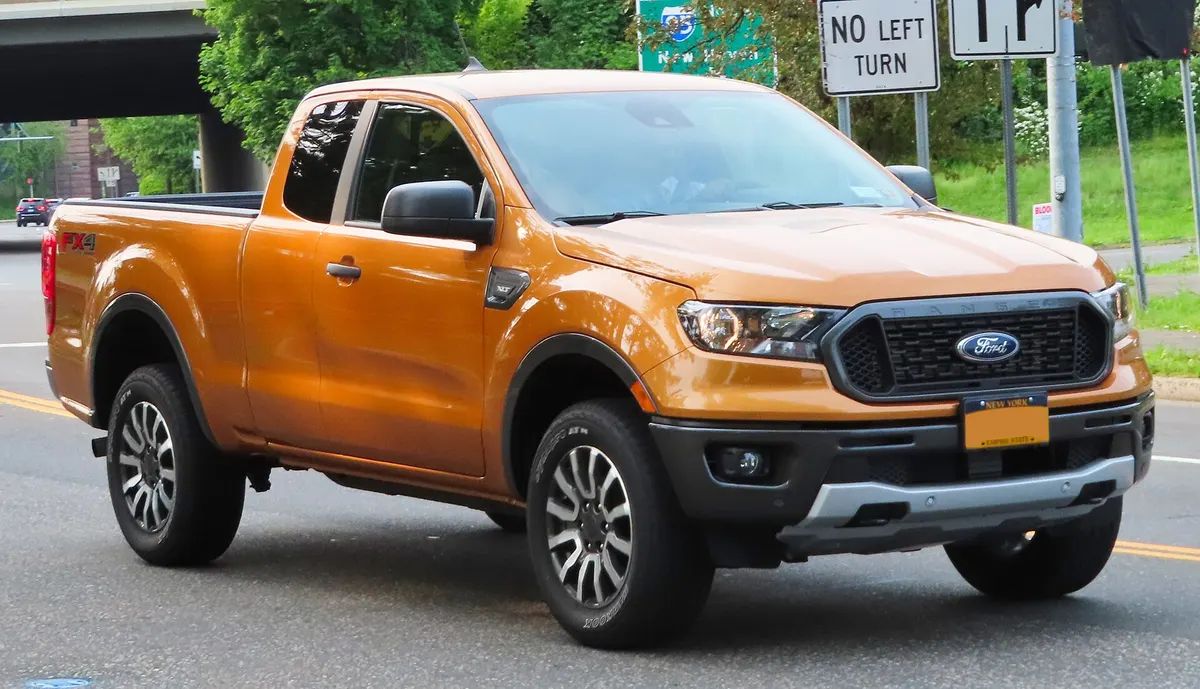
Engines
- 2.3L EcoBoost (GTDI) · 2.3L gasoline, 270 hp
Transmissions
- 10R80 · automatic, 10-speed
Drivetrain
RWD / 4WD
Body
SuperCab (extended cab, 6-ft bed), SuperCrew (crew cab, 5-ft bed)
Trims
XL, XLT, Lariat, FX4 (off-road package), Tremor (package, 2021+)
Ford Ranger part-number cross-reference
Start from the OEM number, then pick the brand you trust. Verified equivalents for the Ford Ranger (2019–2023).
Part links go to Amazon, and to eBay where Amazon does not stock the part. Affiliate links, so we may earn a commission if you buy. Your price is unchanged, and a commission never changes a verdict.
Engine oil filter
Motorcraft
Find Motorcraft engine oil filter on AmazonVerified via: FinditParts - Motorcraft FL910S cross-reference (Ford BE8Z-6731-AB; Wix 51348, Fram PH3614, Purolator L10241), The Ranger Station - 2019+ Ranger 2.3 EcoBoost oil change (Motorcraft FL-910S), Armor Auto Parts - 2019-2023 Ranger 2.3L Motorcraft oil change kit (FL-910S), Ford (2019 manual, first printing, parts table p303, 5.7 qt p306), Ford (2022 manual, parts table p325)
Engine air filter
Motorcraft
Find Motorcraft engine air filter on AmazonFord
Ford engineering number (early trucks used the EB3Z-9601 family, since superseded)
Look up Ford engine air filterVerified via: OEM Parts Online - Motorcraft FA-1943, 2019-2023 Ranger, PartsGeek - Wix WA10909, 2019-2023 Ranger engine air filter, Steeda - K&N 33-3086 drop-in panel filter, 19-23 Ranger 2.3L
Cabin air filter
Verified via: FinditParts - Motorcraft FP88 cross-reference (Ford KB3Z19N619A; Wix WP10410, Purolator C31412, Mahle LAK1770), Steeda - Motorcraft FP-88 cabin filter, 2019-2023 Ranger
Spark plugs
Motorcraft
Ford's parts table: SP-550 in the first 2019 printing, SP-578 in the later 2019 printings, both 2020 printings and 2021, SP-594 in 2022-2023. Buy by model year
Compare Motorcraft spark plugs on AmazonVerified via: Ford (2019 manual, first printing, parts table p303, gap p302), Ford (2019 manual, fourth printing, parts table p317), Ford (2020 manual, first printing, gap p322), Ford (2021 manual, parts table p325), Ford (2022 manual, parts table p325), Ranger5G - 2.3L EcoBoost SP-594 spark plug change write-up, Go-Parts - 2018-2025 Ranger spark plug guide (Motorcraft SP-594/SP-578, NGK-made iridium)
Front brake pads
Motorcraft
Find Motorcraft front brake pads on AmazonPower Stop
Evolution ceramic (front); Z36-2216 = Truck & Tow. Ranger 2019-2025 / Bronco 2021-2025
Look up Power Stop front brake padsVerified via: Walmart - Motorcraft BRF-1874, 2019-2023 Ranger + 2021-2023 Bronco (front), eBay - OEM Motorcraft BRF-1874 Front Brake Pad Kit, 2019-2022 Ranger, Amazon - Power Stop Z36-2216 front pads, Ranger 2019-25 / Bronco 2021-25
Wiper blades
Motorcraft
Ford's parts table prints no suffix in the seven 2019-2022 books read and the -A suffix in the 2023 book. Inch sizes 26 / 16 come from the listings below, not Ford
See Motorcraft wiper blades on AmazonFitment note
Fits Trico, Bosch, Rain-X beam or conventional blades in these sizes
Compare Fitment note wiper bladesVerified via: Ford (2019 manual, first printing, parts table p303), Ford (2023 manual, parts table p326), AutoPadre - Ford Ranger windshield wiper size (26 in / 16 in), WiperSizeChart - 2023 Ford Ranger wiper size (26 in / 16 in)
Serpentine belt
Motorcraft
not in Ford's owner's manual parts table; the number comes from the listings below
Find Motorcraft serpentine belt on AmazonVerified via: eBay - Motorcraft JK6-582 serpentine belt, 19-23 Ford Ranger 2.3L-L4, FordPartsGiant - Ranger drive belt (KB3Z-8620-B serpentine, 2019-2023 2.3L), Ford (2019 manual, first printing, belt routing p302), Ford (2022 manual, belt routing p324)
Battery
Motorcraft
BAGM-48H6-610 in the 2019 and 2020 books, BAGM-48H6-760 from 2021
Check Motorcraft battery on AmazonVerified via: Ford (2019 manual, first printing, parts table p303), Ford (2021 manual, parts table p325), Ford (2022 manual, parts table p325), Ford.com - Motorcraft BAGM94RH7800, group 94R, 800 CCA AGM
Should I buy a 2019–2023 Ford Ranger?
Buy it, but let the transmission make the decision. The 2.3 EcoBoost is a strong, proven engine, the truck itself is simple and cheap to keep, and a clean 2021–2023 undercuts a comparable Tacoma by real money. The catch is the 10R80 10-speed: harsh, clunky shifting is common enough that Ford issued TSBs and owners filed a class action, and a smaller group of trucks lose the transmission entirely to the known CDF drum defect, a $5,000–$7,000 event. On any test drive, work the transmission hard: stop-and-go, rolling stops, light-throttle downshifts. A truck that bangs, lunges, or hesitates between gears is not 'normal,' whatever the selling dealer says. 2019s carry the most complaints of every kind; 2021–2023 trucks (especially those built after the August 2022 drum update) are the safest pick.
Best years
2021, 2022, 2023
Years to avoid
2019 (first model year, most transmission, electrical, and paint-quality complaints, plus 11 recalls), 2020 unless the transmission behaves flawlessly on a hard test drive
Pre-Purchase Checklist for Ford Ranger
- ☐Drive it in stop-and-go traffic for at least 15 minutes. Clunking into gear, harsh 2-1 downshifts at stops, lunging, or delayed engagement are the classic 10R80 complaints. Walk away or price in transmission work.
- ☐Pull the service history for transmission visits: repeat 'reflash/relearn' entries mean the truck is a known shifter; a replaced transmission after August 2022 gets the updated CDF drum and is arguably safer than an untouched one.
- ☐Check the coolant level in the reservoir and smell the cabin with the heat on. Unexplained coolant loss, a sweet smell, or fogged glass points to the known heater core leak (a dash-out repair).
- ☐On a 2023 built in December 2022, ask a Ford dealer to run the VIN for Customer Satisfaction Program 23B08 (main oil galley plug leak; Ford replaced affected engines outright).
- ☐Run the VIN for open recalls at nhtsa.gov. The 2019 alone has 11 campaigns, including the HVAC blower motor fire risk (19V-726) and the tail lamp connector (19V-839).
- ☐On higher-mileage trucks (75k+), ask whether the intake valves have ever been cleaned; rough cold idle and misfire codes on a DI-only turbo engine suggest carbon buildup.
- ☐Inspect the paint on the hood edge, roof, and tailgate. Early trucks chipped notoriously easily, and rock chips left bare invite rust.
Common Ford Ranger problems & repair costs
Harsh, clunky, or delayed shifting (10R80 10-speed)
$100–$3,500Symptoms: Jerking or lunging between gears, a hard clunk on the 2-1 downshift coming to a stop, delayed or harsh engagement from Park, shuddering on light throttle. Dealers frequently road-test and declare it 'shifts and drives fine.'
Fix: Start cheap: updated PCM/transmission software and an adaptive-relearn drive cycle fix or improve many trucks (Ford's TSB 24-2046, issued February 2024, covers harsh/delayed engagement and shifting). Trucks that don't respond may need a valve body/main control, roughly $1,500–$3,500 at an independent shop. A proposed class action alleges the 10R80 is defective across Ford's lineup; Ford has maintained the behavior is normal, so out-of-warranty relief is on you.
Sources: ClassAction.org: 10R80 harsh-shifting class action (Rangers included), Ranger5G forum: TSB 24-2046 discussion, Lemon Law Help: Ford Ranger 10-speed transmission problems
Complete transmission failure: CDF drum defect (10R80)
$4,500–$7,000Symptoms: Often little warning: slipping, flaring to high RPM between upshifts, loss of drive, sometimes preceded by the harsh shifting above. The CDF drum's pressed-in bushing walks out of place, misaligning fluid passages and starving half the clutches of pressure. Failure is near-instant once it lets go.
Fix: Transmission replacement or full rebuild with the updated (post-August-2022) CDF drum. Dealer replacements commonly run $5,500–$7,000; a quality independent rebuild with the revised drum lands somewhat lower. CarComplaints logs complete failures on 2019s around 95k miles averaging about $6,000, and Ranger owner forums document drum failures as early as 33k miles on 2022 trucks. If buying a truck that already had the transmission replaced after mid-2022, that's a point in its favor.
Sources: Ranger5G forum: CDF drum failure reports, CarComplaints: 2019 Ford Ranger (complete transmission failure), NextGen Diesel: 10R80 problems and CDF drum explainer
Heater core coolant leak
$900–$2,000Symptoms: Coolant level drops with no visible leak under the truck, sweet smell inside the cabin with the heat or defroster on, windshield fogging, damp passenger-side carpet, or drips from the heater vents or the firewall drain.
Fix: Heater core replacement. The part is cheap; the labor isn't, because the job requires major dash disassembly, which is why the bill runs four figures out of warranty. Coolant leaks are among the most commonly reported 2019 Ranger issues, and the heater core failure path is well documented on owner forums (many replaced under warranty when caught early). Don't band-aid it with stop-leak. That risks plugging the cooling system to save a hose-and-core job.
Sources: Ranger5G forum: heater core coolant leak, replaced under warranty, Lemon Law Experts: 2019 Ford Ranger problems (coolant leaks), RepairPal: 2019 Ford Ranger coolant leak
Intake-valve carbon buildup (2.3 EcoBoost, direct injection)
$350–$700Symptoms: Gradual: rougher cold idle, occasional cold-start misfire codes, slightly duller response and fuel economy as deposits grow on the backs of the intake valves. No fuel washes over the valves in a DI-only engine, so buildup is a when, not an if.
Fix: Walnut-shell blasting of the intake ports restores it, an established procedure for DI Ford EcoBoosts. Prevention is cheaper than cure: consistent oil changes with quality oil, and many owners fit a PCV catch can to slow the oil vapor that feeds the deposits. Ford didn't add port injection to the 2.3 until the 2025 engine, so every truck in this generation carries the trait.
Sources: Ranger5G forum: EcoBoost carbon buildup solved via walnut blasting, MotorReviewer: Ford 2.3 EcoBoost engine problems
Thin paint and premature chipping
$50–$1,200Symptoms: Paint chips off the hood edge, roof, A-pillars, and tailgate far too easily. Owners reported chips on nearly new trucks. Left bare, chips on a steel-bodied truck become rust spots.
Fix: Touch-up paint for small chips; a panel respray if it's gotten away from you. On a used example the fix is really prevention: inspect, touch up what's there, and consider paint protection film on the leading edges. It's a top-three reported problem category for the 2019 on CarComplaints.
Sources: CarComplaints: 2019 Ford Ranger (paint chipping when new)
Day to day this is a cheap truck to own: one simple engine across the whole range, ordinary fluids and filters, accessible plugs, and shared-with-F-150 parts everywhere. Routine costs are unremarkable. The 2.3 wants quality oil on schedule (it's a turbo), and spark plugs at Ford's 100,000 miles, or 60,000 if the truck tows or idles for long periods. The budget line that matters is the transmission: most owners never see a failure, but the CDF drum event is $4,500–$7,000 when it happens, which is exactly why the pre-buy test drive and service history carry so much weight on this generation. The 2019's 11 recalls are free fixes. Just confirm they're done.
Cost calculator
What will this Ford Ranger cost you by a given mileage?
Drag to a mileage. We total the documented problems whose typical onset falls at or before it. The same cost ranges listed above, nothing new invented.
$0 estimated repair range
5-Year Maintenance Schedule & Cost to Own
Every scheduled service by mileage, fluid capacities, independent shop ranges, and parts cross-references.
Have a repair quote for this Ford Ranger?
Audit against OEM book times, uncover duplicate pad and rotor labor, and verify parts markups.
How to fix common Ford Ranger problems (DIY)
Engine + cabin air filter change
Tools: None required (flathead screwdriver optional for airbox clips)
- Unclip the airbox lid in the engine bay (driver's side), lift it, and pull the old panel filter.
- Wipe loose debris out of the airbox, seat the new engine filter, and re-clip the lid, checking the seal all the way around.
- Inside, open the glovebox, squeeze the sides to release the stops, and let it swing down.
- Slide the cabin filter cover off, swap in the new filter with the airflow arrow matching the old one, and reassemble.
Parts
- Engine air filter (2019–2023 Ranger 2.3 EcoBoost) · Amazon $15–$25
- Cabin air filter (2019–2023 Ranger) · Amazon $10–$20
Spark plug replacement (2.3 EcoBoost)
Tools: 3/8" ratchet with extensions, Spark plug socket (thin-wall, magnetic or rubber insert), Torque wrench, Compressed air or blow gun (to clear the plug wells)
- With the engine cold, remove the engine cover and disconnect the four ignition coil connectors.
- Remove each coil hold-down bolt and pull the coils straight up out of the plug wells.
- Blow debris out of each well BEFORE removing the plugs. Anything left falls straight into the cylinder.
- Remove the old plugs, check the gap on the new ones against spec, and thread them in by hand to avoid cross-threading the aluminum head.
- Torque the plugs to spec, reinstall the coils and connectors, and refit the cover.
- Ford's interval is 100,000 miles, or 60,000 for a truck that tows or idles for long periods. Recheck for smooth idle after the first drive.
Parts
- Iridium spark plugs, set of 4 (2019–2023 Ranger 2.3 EcoBoost) · Amazon $30–$60
Install an oil catch can (carbon-buildup prevention)
Tools: Socket set (8–13mm), Hose cutter or sharp utility knife, Pliers for spring clamps
- Mount the catch can bracket to an existing bolt on the driver's side of the engine bay, keeping the can upright and accessible for draining.
- Locate the PCV line running from the valve cover to the intake and disconnect it at both ends.
- Route the supplied hoses so crankcase vapor flows valve cover → catch can inlet → can outlet → intake, with no kinks or low spots.
- Secure every connection with the supplied clamps and double-check clearance from hot and moving parts.
- Start the engine, check for leaks or hissing, and drain the can at every oil change. You'll be surprised what it traps.
Parts
- Oil catch can kit (2019–2023 Ranger 2.3 EcoBoost) · Amazon $60–$150
Some parts links are affiliate links. We may earn a commission at no cost to you. We only list parts that fit this generation.
The short version
The Ranger that returned to the US for 2019 is mechanically simple: one engine, one transmission, body-on-frame, done. The 2.3L EcoBoost is genuinely good: strong, efficient, and free of the head-gasket drama that dogged its early Mustang and Focus RS applications. The truck around it is durable and cheap to run.
The 10R80 10-speed automatic is the asterisk, and it’s a big one. Harsh, clunky, lunging shifts are reported across the whole generation, widespread enough to produce a string of Ford TSBs (most recently 24-2046) and a class-action lawsuit, while dealers spent years telling owners the behavior was normal. Separately, a defect in the transmission’s CDF drum can cause sudden, total failure, sometimes under 40,000 miles. Ford quietly updated the drum design in August 2022.
That’s the whole calculus: great engine, honest truck, one transmission that must earn your trust before you buy.
What that means when you’re shopping
Shop 2021–2023 first. Complaint volume drops sharply after 2020, and anything with a transmission built or replaced after August 2022 carries the updated drum. The 2019 needs the most scrutiny and should be priced accordingly: first year back, 11 recalls, and the worst complaint record for transmission, electrical, and paint issues.
Whatever the year, the test drive is the inspection. Fifteen minutes of stop-and-go: listen for the clunk coming to a stop, the lunge on light throttle, the delayed engagement from Park. A truck that shifts clean today, with a service history that doesn’t read like a transmission diary, is most of the way to a yes.
Two smaller checks earn their keep: unexplained coolant loss or a sweet smell in the cabin points to the known heater core leak (a four-figure dash-out job on 2019–2020 trucks), and on a 2023 built in December 2022, have a dealer confirm by VIN whether the engine was replaced under Ford’s oil-galley-plug program 23B08.
What it’s like to own
Boring, in the best way. Parts are everywhere, the engine bay is roomy, and the maintenance schedule holds no surprises: good oil on time, and spark plugs at Ford’s 100,000 miles, or 60,000 if the truck tows or idles a lot. The one long-game item is intake-valve carbon: this generation’s 2.3 is direct-injection only, so plan on a walnut-blast cleaning somewhere past 75k miles and consider a catch can to slow the buildup. Touch up paint chips before they rust.
How this file is built: failure modes and cost ranges are compiled from NHTSA complaint and recall data, Ford TSBs and customer-satisfaction programs, CarComplaints statistics, and owner-forum reporting (Ranger5G), then sanity-checked against shop-floor experience. Cost figures are independent-shop estimates and vary by region. Spot something off? Tell us.
Viral car myths, checked against this car
- Misleading
Is the "$2 liquid that stops any leak" really banned in 11 states?
Automotive stop-leak products are not banned in any US state. The products are real (Bar's Leaks, BlueDevil), they work in specific narrow situations, and they can permanently damage your cooling or oiling system if applied to the wrong leak.
- Misleading
Is the "$1 Japanese oil trick" that stops engine wear forever real?
The 'Japanese oil trick' is almost certainly MoS2 (molybdenum disulfide), a real industrial friction modifier. It is German, not Japanese (Liqui Moly popularized it), sold openly at every parts store for $15-20, has real but modest measured friction benefits, and was never buried by anyone.
Frequently asked questions
Is the 10-speed transmission in the 2019–2023 Ford Ranger bad?
It's the generation's known weak point, but the picture has two parts. Harsh, clunky shifting is common, common enough for TSBs and a class-action lawsuit, and is often improved by updated software and an adaptive relearn. Actual failures are rarer and mostly trace to the CDF drum defect, which Ford redesigned in August 2022. Most trucks never fail; the ones that do cost $4,500–$7,000. Judge each truck on its test drive and service history, not the headline.
Which Ford Ranger years should I avoid?
The 2019 is the one to be most careful with: first model year, 11 recalls, and the highest complaint volume for transmission, electrical, and paint issues. 2020 is better but still pre-dates the transmission hardware update. 2021–2023 trucks have the lowest complaint rates of the generation and are the smart used buy, 2022 and 2023 especially.
Is the 2.3 EcoBoost reliable in the Ranger?
Yes. It's the strong half of this truck. The head-gasket problems associated with this engine family were concentrated in early 2015–2017 applications, not the Ranger. Feed it quality oil on schedule, budget for a walnut-blast intake cleaning somewhere past 75k miles (it's direct-injection only), and it's a 200k-mile engine. One narrow exception: some 2023s built December 8, 2022 had an oil galley plug defect, and Ford replaced those engines under program 23B08. Verify by VIN.
How much can a 2019–2023 Ranger tow?
Up to 7,500 lbs when equipped with the factory tow package, best-in-class for the era and one of the practical arguments for the Ranger over rivals. The 2.3's 310 lb-ft does the work without drama, though towing is exactly the duty cycle where you want the transmission shifting properly, so sort any 10R80 complaints first.
Every Ford Ranger generation
The full case file run, beyond the generation before and after this one.
Cross-shopped rivals
Files on what buyers weigh against the Ford Ranger of this era.