Case file · TOYOTA-HIGHLANDER-2008-2013 · 2nd gen (XU40)
Toyota Highlander 2008–2013Common problems, reliability & repair costs
The 2008–2013 Highlander is a genuinely durable family SUV with two landmines to clear before you buy: early 3.5L V6 engines (built through roughly April 2008) left the factory with a rubber VVT-i oil line that can rupture and dump the oil in seconds, and 2008–2010 Hybrids were recalled for an inverter module that can shut the vehicle down while driving. Clear those two items and this is a 250,000-mile machine.
2010, 2011, 2012
2008 V6, unless the rubber VVT-i oil line was already replac +1 more
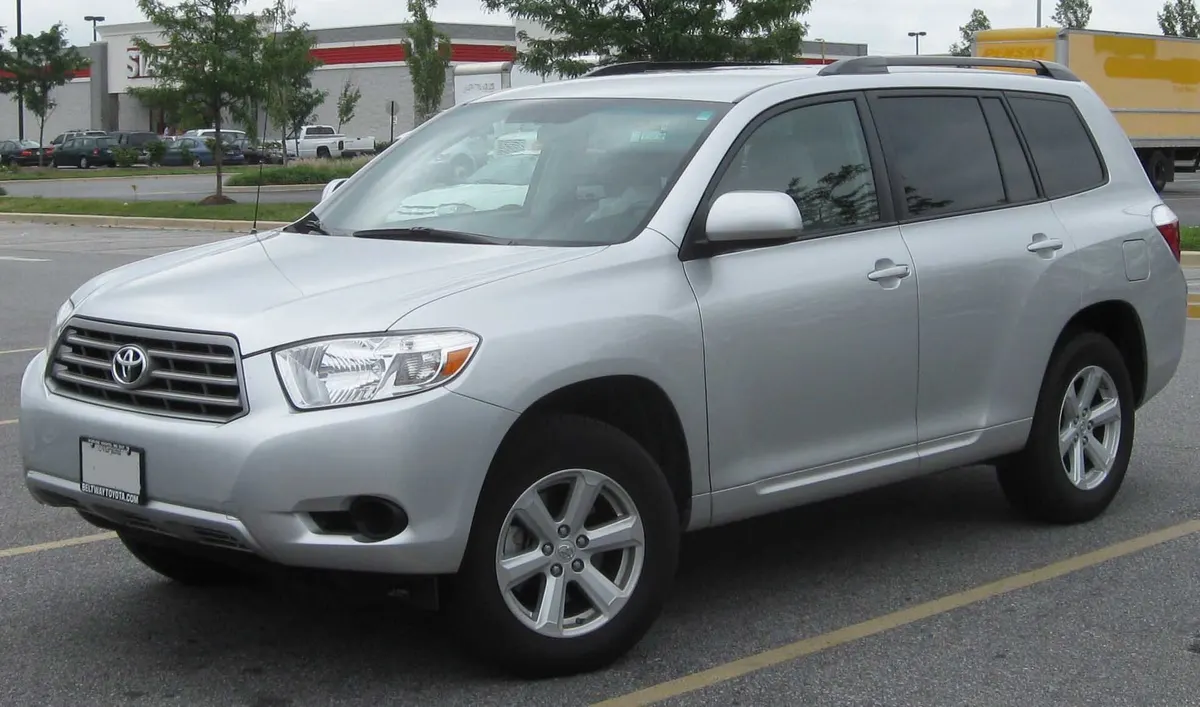
Engines
- 2GR-FE · 3.5L gasoline, 270 hp
- 1AR-FE · 2.7L gasoline, 187 hp
- 3MZ-FE (hybrid) · 3.3L hybrid, 208 hp
- 2GR-FXE (hybrid) · 3.5L hybrid, 245 hp
Transmissions
- U151E/U151F · automatic, 5-speed
- U760E · automatic, 6-speed
- cvt
Drivetrain
FWD / AWD
Body
suv
Trims
Base, Plus, SE, Sport, Limited, Hybrid, Hybrid Limited
Toyota Highlander part-number cross-reference
Start from the OEM number, then pick the brand you trust. Verified equivalents for the Toyota Highlander (2008–2013).
Part links go to Amazon, and to eBay where Amazon does not stock the part. Affiliate links, so we may earn a commission if you buy. Your price is unchanged, and a commission never changes a verdict.
Engine oil filter
Verified via: ToyotaPartsDeal: Highlander OEM oil filters (04152-31090 listed for 2008-2023 Highlander incl. 3.5L V6; crossref page shows 04152-YZZA1 as its service equivalent), oilfilter-crossreference.com: Toyota 04152-31090 (lists 04152-YZZA1 as equivalent), oilfilter-crossreference.com: Toyota 04152-YZZA1 cross references, Toyota oil filter chart (06_OilFilters2025 p2): 04152-YZZA1 for 2008-2010 2GR-FE, 2009-2013 1AR-FE, 2011-2013 2GR-FE and 2GR-FXE; 90915-YZZD1 for the 2008-2010 3MZ-FE Hybrid
Engine air filter
Toyota
Toyota's chart lists MVP 17801-YZZ01 as well. The dealer listing below names 17801-31140; whether that supersedes 17801-0H010 is not asserted either way.
Find Toyota engine air filter on AmazonFram
Unverified for this card: Fram lists CA9762 against Toyota 17801-31140/31141, not against 17801-0H010
Look up Fram engine air filterVerified via: Toyota air filter chart (02_AirFilters2025 p2): 17801-0H010 (MVP 17801-YZZ01) for 2008-2013 2GR-FE and 2009-2013 1AR-FE; 17801-20050 for the 2008-2010 3MZ-FE Hybrid, 17801-0P070 for the 2011-2013 2GR-FXE Hybrid, ToyotaPartsDeal: Highlander OEM air filters (17801-31140 for 2010-2012 Highlander 3.5L V6), airfilter-crossreference.com: Toyota 17801-31140 cross references, airfilter-crossreference.com, Fram CA9762 reverse cross (OEM: Toyota 17801-31140, 17801-31141)
Cabin air filter
Toyota
Toyota's chart lists standard 87139-YZZ82 and charcoal 87139-YZZ92 as well. The dealer listing below names 87139-52020.
Check Toyota cabin air filter on AmazonEPAuto
EPAuto's CF10285 equivalent, listed as CP285 (CF10285) on the cross-reference page; unverified against 87139-02090
Look up EPAuto cabin air filterVerified via: Toyota cabin air filter chart (05_CabinAirFilters2025 p1): 87139-02090 for 2008-2013 1AR-FE, 2GR-FE, 3MZ-FE and 2011-2014 2GR-FXE (standard 87139-YZZ82, charcoal 87139-YZZ92), ToyotaPartsDeal: Highlander OEM cabin air filters (87139-52020 for 2008-2013, all engines), airfilter-crossreference.com: Toyota 87139-52020 cross references
Should I buy a 2008–2013 Toyota Highlander?
Buy it, but only after two specific checks. The 2008–2013 Highlander is one of the most dependable used three-row SUVs of its era, and most of its faults are cheap annoyances (liftgate latch, steering-shaft clunk, water pump on the V6). The two things that can actually strand you are both concentrated in specific configurations: 2008 V6s built with the rubber VVT-i oil line, and 2008–2010 Hybrids with an unperformed inverter recall. On a 2008 V6, confirm the metal oil-line update was done; on an early Hybrid, run the VIN for recall 13V-396 completion. A 2010–2013 V6 with service records is the low-drama pick and will outlast your kids' childhoods.
Best years
2010, 2011, 2012, 2013
Years to avoid
2008 V6, unless the rubber VVT-i oil line was already replaced with the metal update, 2008–2010 Hybrid, unless inverter (IPM) recall 13V-396 shows completed on the VIN
Pre-Purchase Checklist for Toyota Highlander
- ☐On a 2008 V6, look at the front of the engine near the oil filter housing: the VVT-i oil line should be all metal. A rubber section, or any fresh oil seepage there, means the update was never done. Budget it immediately.
- ☐Run the VIN through Toyota's recall lookup (toyota.com/recall). On 2008–2010 Hybrids specifically, confirm inverter recall 13V-396 shows COMPLETED. An open one is a stall-while-driving risk and a free fix at any Toyota dealer.
- ☐Check under the V6 water pump (passenger side, behind the drive belt) for pink or white crusty coolant residue at the weep hole, the classic slow-death symptom. Verify the overflow tank is at the line.
- ☐Cycle the power liftgate several times. Watch for it closing and popping back open, or hesitating mid-travel, a known latch/striker alignment issue on this generation.
- ☐Turn the steering wheel lock-to-lock at parking speed with the window down. A clunk or pop is the worn intermediate shaft. The repair is cheap-ish, but use it to negotiate.
- ☐On the 2.7L four-cylinder, cold-start it and listen for a brief rattle from the VVT gear. It usually isn't fatal, but a loud persistent one supports a price cut.
- ☐On any Hybrid, make sure no hybrid-system or master warning lights appear, and note that a 12-plus-year-old NiMH traction battery is a wear item. Ask for any replacement records.
Common Toyota Highlander problems & repair costs
Rubber VVT-i oil line failure (3.5L 2GR-FE V6)
$150–$600Symptoms: Oil seep or drip from the front of the engine near the oil filter housing; in the failure case, a sudden large oil leak, low-oil-pressure light, and the engine losing most of its oil within a minute. Many failed with no warning.
Fix: Replace the rubber-section oil line with Toyota's updated all-metal line. It's a cheap, permanent fix. Toyota ran a Limited Service Campaign (LSC 90K / E0G) replacing the line free, but it expired December 31, 2021, so it's out-of-pocket now. The real cost is ignoring it: if the line bursts and the engine is run dry, you're into a used engine at $4,000–$7,000. Toyota fitted the metal line at the factory from late 2008, so 2009+ V6s are not affected.
Sources: Toyota USA Newsroom: Limited Service Campaign for VVT-i oil line, Toyota dealer letter (VVT-i oil line campaign): NHTSA TSB archive, ToyotaNation: 2GR-FE oil line failure (Highlander 2nd gen)
Water pump coolant leak (3.5L V6)
$500–$1,300Symptoms: Pink or white crusty residue and slow coolant drips from the pump's weep hole behind the drive belt; gradually dropping coolant level; sometimes a whine or bearing growl from the pump. Left alone it ends in overheating.
Fix: Replace the water pump (belt-driven, on the front of the engine). Usually done with fresh coolant and often the drive belt while it's off. A very common 2GR-FE wear item; not catastrophic if caught while it's weeping rather than gushing.
Sources: RepairPal: Toyota Highlander water pump replacement cost, SiennaChat: failing water pump how-to for 2GR-FE engines
Hybrid inverter IPM failure (recall 13V-396)
$0–$5,000Symptoms: A Christmas tree of warnings: master warning, brake system, slip indicator, check engine. Then the vehicle drops into limp mode or the hybrid system shuts down entirely while driving.
Fix: Transistors inside the inverter's Intelligent Power Module (IPM) can overheat and degrade their solder. NHTSA recall 13V-396 (2006–2010 Highlander Hybrid) has dealers replace the IPM free with upgraded parts. There is no expiration, so verify by VIN and get it done if open. An out-of-warranty inverter failure repaired outside the recall's scope runs into the thousands, which is why the VIN check is non-negotiable on these years.
Sources: NHTSA safety recall 13V-396: dealer notification (remedy), Justia recalls: 2010 Highlander Hybrid inverter, campaign 13V396000, Green Car Reports: 2006–2010 Highlander Hybrid recall
Power liftgate won't close or latch properly
$100–$600Symptoms: The power back door closes, pops or clunks, and reverses back open; or the gate hesitates, sticks, or the struts no longer hold it up. Toyota issued a service bulletin for striker/latch misalignment and gaps at the power lift-arm bolts. There is no recall.
Fix: Depends on the failure: realign or replace the striker/latch, tighten/shim the lift-arm bolt gap per the TSB, or replace tired gas struts (a 15-minute DIY). Full latch-actuator replacement is the top of the range.
Sources: 1A Auto: common 2008–2013 Toyota Highlander problems, Edmunds forums: Highlander power hatch malfunction
Steering intermediate shaft clunk
$250–$700Symptoms: A clunk, pop, or knock felt and heard through the column when turning the wheel left or right at low speed. Annoying rather than dangerous; caused by worn splines/U-joints in the intermediate shaft.
Fix: Replace the intermediate shaft with Toyota's updated part per TSB T-SB-0034-13. Lubricating the old shaft is a temporary band-aid. The noise typically returns within months.
Sources: Toyota TSB T-SB-0034-13: steering intermediate shaft noise (NHTSA archive), ALLDATA: OEM fix for Highlander steering noise
Power window master switch: sticky, can overheat (recall 12V-491)
$0–$350Symptoms: Driver's window switch feels notchy or sticky. The hazard: if someone sprays aftermarket lubricant into it, the switch can overheat, melt the door trim, and in rare cases start a fire. Toyota documented burned switches and door panels.
Fix: Covered by NHTSA safety recall 12V-491 (Toyota campaign C0M). Dealers inspect and apply special fluorine grease or replace the switch circuit board free. Verify completion by VIN; an out-of-pocket switch replacement is modest if the recall was somehow missed. Never spray generic contact cleaner into a sticky switch on these.
Sources: NHTSA safety recall 12V-491: dealer notification, Cars.com: 2008 Toyota Highlander recalls
Day to day this is a cheap SUV to own: routine service is simple, parts are everywhere, and both the V6 and the 2.7L are non-drama engines when the oil actually gets changed. Budget for the V6 water pump somewhere in the ownership window ($500–$1,300), tires and brakes on schedule (it's a heavy vehicle), and small-stuff fixes like liftgate struts and the steering shaft. Hybrids add the long-term reality of a NiMH traction battery. Reconditioned or aftermarket replacements run roughly $1,500–$3,500 installed, but they pay some of that back in fuel. The catastrophic-cost scenarios (oil-starved V6, out-of-recall inverter) are both preventable with the two VIN/inspection checks in the buying list.
Cost calculator
What will this Toyota Highlander cost you by a given mileage?
Drag to a mileage. We total the documented problems whose typical onset falls at or before it. The same cost ranges listed above, nothing new invented.
$0 estimated repair range
5-Year Maintenance Schedule & Cost to Own
Every scheduled service by mileage, fluid capacities, independent shop ranges, and parts cross-references.
Have a repair quote for this Toyota Highlander?
Audit against OEM book times, uncover duplicate pad and rotor labor, and verify parts markups.
How to fix common Toyota Highlander problems (DIY)
Replace liftgate support struts
Tools: Small flathead screwdriver or pick (for the spring clips), A helper or a broomstick to hold the gate up
- Open the liftgate fully and have a helper (or a prop) hold it. It will fall without the struts.
- At each end of the old strut, pry the small metal spring clip out a few millimeters with a flathead screwdriver.
- Pop the strut socket off its ball stud, top end first, then the bottom.
- Snap the new strut onto the studs (they click on), clips seated, gas cylinder end up.
- Repeat on the other side, then cycle the gate, power function included, to confirm smooth travel.
Parts
- Liftgate struts, pair (2008–2013 Highlander) · Amazon $25–$50
Cabin & engine air filter change
Tools: None (hands only; maybe a flathead for the airbox clips)
- Open the glovebox, squeeze the sides to release the stops, and let it swing down.
- Unclip the cabin filter cover, slide the old filter out, and insert the new one with the airflow arrow pointing the right way.
- Under the hood, release the airbox clips, lift the lid, and swap the engine air filter.
- Re-clip the airbox lid and reset the glovebox stops.
Parts
Replace the serpentine (drive) belt: 3.5L V6
Tools: 19mm socket + long ratchet or serpentine belt tool, Belt routing diagram (photograph the old belt before removal)
- With the engine off and cool, photograph the belt routing at the front of the engine.
- Put the socket on the tensioner pulley bolt and rotate the tensioner to release belt tension.
- Slip the belt off the pulleys and feed it out.
- Route the new belt per your photo, leaving the tensioner pulley for last.
- Rotate the tensioner, slip the belt over the last pulley, release, and confirm the belt sits centered on every pulley before starting the engine.
Parts
- Serpentine belt (2GR-FE 3.5L Highlander) · Amazon $20–$40
Some parts links are affiliate links. We may earn a commission at no cost to you. We only list parts that fit this generation.
The short version
The second-generation Highlander is what people mean when they say “just buy a Toyota”: a three-row SUV that treats 200,000 miles as a checkpoint, not a finish line. But it ships with two very specific landmines, and both are checkable before you hand over money.
First: 3.5L V6 engines built through roughly April 2008 left the factory with a rubber VVT-i oil line that can rupture without warning and dump the engine’s oil in under a minute. Toyota replaced these with metal lines under a free service campaign, but that campaign expired at the end of 2021. On a 2008 V6, the metal line is either there or it isn’t. Look.
Second: 2008–2010 Hybrids were recalled (NHTSA 13V-396) for an inverter power module that can overheat and shut the whole vehicle down while driving. The fix is free at any Toyota dealer with no expiration, but only if it’s actually been done. Run the VIN.
What that means when you’re shopping
A 2010–2013 gas model clears both landmines by birthright: metal oil line from the factory, no inverter to recall. Buy on condition and records like any used car, with one V6-specific check: coolant crust at the water pump’s weep hole, this generation’s most common repair at $500–$1,300.
A 2008 V6 is fine if the oil line was converted; a converted car is no worse than a 2009. A 2008–2010 Hybrid is fine if the recall shows completed. In both cases the check costs you five minutes and the seller nothing, so a seller who can’t or won’t verify is telling you something.
The rest of the file is small stuff: a power liftgate that pops back open (TSB, not a recall), a clunky steering intermediate shaft, and a 2008-only window-switch recall. Use them to negotiate, not to walk away.
V6, four-cylinder, or Hybrid?
The V6 is the default for a reason. It barely drinks more than the 2.7L and it’s the one that tows. The four-cylinder (2009–2013, front-drive only) is honest, slow, and immune to the oil-line issue entirely. The Hybrid makes sense for city miles if you price in an eventual traction-battery refresh; prefer the 2011–2013 cars with the newer 3.5L hybrid system.
How this file is built: failure modes and cost ranges are compiled from NHTSA recall and TSB records, Toyota’s own service-campaign documents, CarComplaints data, and owner-forum reporting, then sanity-checked against shop-floor experience. Cost figures are independent-shop estimates and vary by region. Spot something off? Tell us.
Viral car myths, checked against this car
- Misleading
Is the "$2 liquid that stops any leak" really banned in 11 states?
Automotive stop-leak products are not banned in any US state. The products are real (Bar's Leaks, BlueDevil), they work in specific narrow situations, and they can permanently damage your cooling or oiling system if applied to the wrong leak.
Frequently asked questions
Which 2008–2013 Highlander years should I avoid?
None are automatically bad, but two configurations need proof before purchase: a 2008 V6 needs the metal VVT-i oil-line update confirmed (the factory rubber line can rupture and drain the oil), and a 2008–2010 Hybrid needs inverter recall 13V-396 confirmed completed on the VIN. 2010–2013 gas models are the cleanest picks.
Was the VVT-i oil line a recall?
No. Toyota handled it as a Limited Service Campaign (LSC 90K / E0G), not a safety recall, and replaced rubber lines with metal ones free until the campaign expired December 31, 2021. Today the fix is on you, but it's cheap ($150–$600 at an independent shop) next to the $4,000+ engine it protects. Engines built from late 2008 onward got the metal line from the factory.
How many miles will a 2008–2013 Highlander last?
A maintained V6 car routinely clears 250,000 miles. The 2GR-FE is one of Toyota's best modern engines once the oil line is sorted. The 2.7L four-cylinder is similarly durable if less muscular. Most of these leave the road from crashes and neglect, not worn-out drivetrains.
Is the Highlander Hybrid worth buying used?
Yes, with homework. Verify the inverter recall is done (2008–2010), budget mentally for an eventual traction-battery replacement (roughly $1,500–$3,500 installed for reconditioned/aftermarket), and prefer the 2011–2013 cars, which got the newer 3.5L hybrid system and aren't in the inverter recall population. The fuel savings are real for city drivers.
V6 or the 2.7L four-cylinder?
The V6 for most people. It tows more (up to 5,000 lbs with the factory towing package, 2,000 without), was available with AWD, and its fuel-economy penalty is small. The 2.7L (2009–2013, FWD only) is a fine commuter engine and has no oil-line issue at all, but it works hard in a vehicle this size.
Every Toyota Highlander generation
The full case file run, beyond the generation before and after this one.
Cross-shopped rivals
Files on what buyers weigh against the Toyota Highlander of this era.