Case file · TOYOTA-PRIUS-2010-2015 · 3rd gen (XW30) (ZVW30)
Toyota Prius 2010–2015Common problems, reliability & repair costs
The XW30 Prius is one of the most dependable used hybrids you can buy. The hybrid system itself routinely outlasts the rest of the car. The catch is the 1.8L 2ZR-FXE engine: 2010–2012 cars are prone to excessive oil burning, and the EGR/intake system clogs with carbon and can take the head gasket with it if ignored. Buy a 2013–2015 car that's had its EGR cleaned and you've got a 250k-mile appliance.
2013, 2014, 2015
2010–2012 (highest oil-consumption rate, pre-revision piston
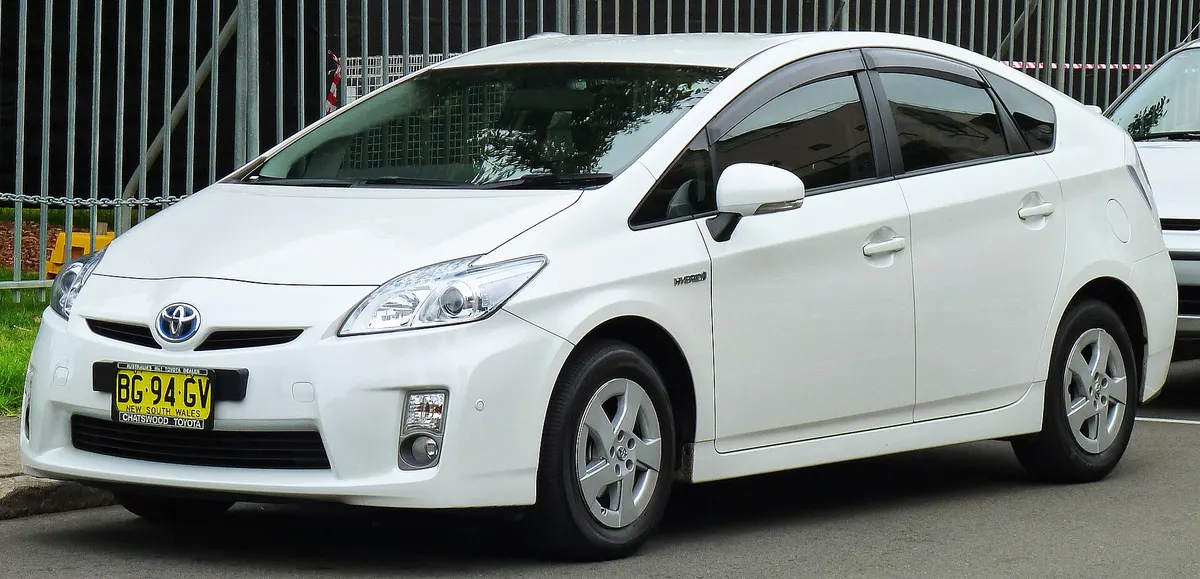
Engines
- 2ZR-FXE · 1.8L hybrid, 98 hp
Transmissions
- P410 (eCVT) · cvt
Drivetrain
FWD
Body
hatchback
Trims
One, Two, Three, Four, Five, Persona Series
Toyota Prius part-number cross-reference
Start from the OEM number, then pick the brand you trust. Verified equivalents for the Toyota Prius (2010–2015).
Part links go to Amazon, and to eBay where Amazon does not stock the part. Affiliate links, so we may earn a commission if you buy. Your price is unchanged, and a commission never changes a verdict.
Engine oil filter (cartridge element)
Verified via: ToyotaPartsDeal: 04152-YZZA6 part page (2010-2017 Prius 1.8L; supersedes 04152-37010), ToyotaPartsDeal: Prius oil filters by generation (2010-2017 = 04152-37010 family), oilfilter-crossreference: Toyota 04152YZZA6 crosses (Wix, Fram, Bosch, Denso), Toyota oil filter chart (06_OilFilters2025 p2): 04152-YZZA6 for the 2010-2017 Prius 2ZR-FXE (element type), 2009-2016 Corolla, 2012-2017 Prius v (-11/17); p3 2017 Prius Prime (-11/17); p1 2018 C-HR (element type)
Engine air filter
Purolator
Listed cross for 17801-37020 (airfilter-crossreference.com)
See Purolator engine air filterVerified via: ToyotaPartsDeal: 17801-37021 fitment (2010-2015 Prius 1.8L 2ZRFXE), ToyotaPartsDeal: 17801-37020 part page (2010-2012 fitment; Replaced by 17801-37021), airfilter-crossreference: Toyota 17801-37020 crosses
Cabin air filter
Toyota
Toyota's chart number. The dealer catalog lists 87139-50100, and the crosses below are for 87139-50100.
Find Toyota cabin air filter on AmazonMann
Charcoal; listed cross for 87139-50100 (airfilter-crossreference.com)
See Mann cabin air filterVerified via: ToyotaPartsDeal: 2012 Prius cabin air filter (87139-50100 replaces 87139-50060), ToyotaPartsDeal: Prius cabin filters by generation (87139-50100 = 2010-2015), airfilter-crossreference: Toyota 87139-50100 crosses (Fram, Wix, Mann), Toyota cabin air filter chart (05_CabinAirFilters2025 p2): 87139-07010 for the 2010-2015 Prius 2ZR-FXE, 87139-50100 for the 2012-2015 Prius PHV
Should I buy a 2010–2015 Toyota Prius?
Buy it. It's one of the safest used-car bets in this price range, with two caveats you can inspect for. The hybrid system, eCVT, and electronics are genuinely bulletproof; the weak point is the gas engine's appetite for oil and the carbon that clogs the EGR/intake. Favor 2013–2015 cars (revised pistons and head gasket) and confirm the EGR system has been cleaned in the last 60k miles or budget to do it. An oil-burning early car isn't a deal-breaker if you keep it topped up and watch the head gasket, but it's leverage on price. Check by VIN that the 2010 brake recalls (10V-039, 13V-235) and the inverter (IPM) recalls 14V-053, 18V-684 and 20V-369 were completed on cars they cover.
Best years
2013, 2014, 2015
Years to avoid
2010–2012 (highest oil-consumption rate, pre-revision pistons)
Pre-Purchase Checklist for Toyota Prius
- ☐Check the oil level on the dipstick cold, then ask when it was last topped up. A 2010–2012 car burning a quart every 1,000–2,000 miles is the single most common XW30 problem.
- ☐Ask whether the EGR valve, EGR cooler, and intake manifold have ever been cleaned, and at what mileage. Heavy carbon here causes rough idle/misfires and, left long enough, head-gasket failure.
- ☐Listen for a cold-start rattle for the first few seconds, a known symptom tied to oil starvation/carbon on these engines.
- ☐Confirm by VIN that the 2010 brake recalls (10V-039 and 13V-235) and the inverter (IPM) recalls 14V-053, 18V-684 and 20V-369 were performed on cars they cover (a Toyota dealer can check).
- ☐Get the hybrid battery health checked (Dr. Prius app or a shop with Techstream). A tired 12V or HV battery is normal wear at this age.
- ☐Watch the temp behavior and coolant level for any sign of inverter/electric water pump weakness on cars over 100k.
- ☐Scan for stored codes. P0AA6, P3000-series, or EGR/misfire codes tell you about hybrid and intake health before you buy.
Common Toyota Prius problems & repair costs
Excessive engine oil consumption (1.8L 2ZR-FXE)
$2,500–$7,000Symptoms: Oil level drops with no visible leak under the car and little or no exhaust smoke; some cars burn a quart every 1,000–2,000 miles (worse cases more). Low-oil light appears between oil changes. Root cause is worn/sticking piston rings.
Fix: The real fix is a short-block or piston/ring replacement (often $5,000+). Toyota issued an extended warranty in 2016 covering piston replacement on certain engines. Check eligibility by VIN. Many owners simply monitor the level and top up, which works if you stay ahead of it. 2014–2015 cars got revised pistons/rings and are far less affected.
Sources: CarComplaints: 2010 Prius excessive oil consumption (137 complaints), NHTSA complaints: 2010 Toyota Prius
EGR cooler / intake manifold carbon clogging
$150–$600Symptoms: Rough idle, hesitation, misfires, occasional check-engine light. The Atkinson engine runs cool and recirculates exhaust, so carbon builds heavily in the EGR valve, EGR cooler, and the small ports of the intake manifold, made worse on oil-burning cars where oil mixes with soot.
Fix: Clean the EGR valve, EGR cooler, and intake manifold. It's a well-documented DIY job (a few hours), or shop labor at an independent. Prius specialists recommend doing it every 60k–80k miles as preventive maintenance. Skipping it is what eventually leads to head-gasket failure on these engines.
Sources: iFixit: How to Clean EGR Cooler 2009–2015 Toyota Prius, CarProblemZoo: Prius EGR valve problems
Head gasket failure (carbon/EGR-related)
$1,500–$3,000Symptoms: Overheating, coolant loss, white exhaust, misfires, or hard cold starts on a high-mileage car. Clogged EGR flow and higher cylinder temps stress the head gasket; oil-burning cars are at greater risk.
Fix: Head gasket replacement (machine work plus labor). Largely preventable by keeping the EGR/intake clean and the engine from running low on oil. On a high-mileage car, weigh the repair cost against the car's value.
Sources: Carolina Mobile Auto Service: 2010–2015 Prius cold-start rattle / engine repair, CarComplaints: Toyota Prius
Inverter / electric (inverter) water pump failure
$400–$800Symptoms: Hybrid-system warning, overheat warnings, or coolant not circulating in the inverter loop. The electric pump that cools the inverter/hybrid electronics fails with age.
Fix: Replace the inverter coolant pump. It's a moderate DIY job or a routine independent-shop repair. Catch it early. Running the hybrid electronics hot is what makes it expensive.
Sources: Earthling Automotive: Prius inverter water pump recall details, NHTSA recalls: Toyota Prius
Inverter (IPM) failure, hybrid system can stall (recalls 14V-053, 18V-684, 20V-369)
$0–$0Symptoms: Hybrid system can enter a fail-safe limp mode or shut down entirely while driving. On affected cars, transistors in the Intelligent Power Module inside the inverter can be damaged by high operating temperatures (14V-053), or excess voltage in the module can shut the hybrid system down (18V-684, 20V-369), leading to a stall.
Fix: Addressed by inverter (IPM) recalls 14V-053 (certain 2010-2014 cars), 18V-684 (certain 2010-2014 cars) and 20V-369 (certain 2013-2015 cars not in 18V-684). Dealers update the hybrid system software free of charge, and repair or replace the inverter at no cost if it has already failed with the covered faults. Check by VIN. If a recall is open, have a Toyota dealer complete it.
Sources: GreenCarReports: 2013–2017 Prius hybrid-system defect recall, Consumer Reports: Prius / Prius V power-loss/stall recall, NHTSA recalls 14V-053, 18V-684 and 20V-369: 2010-2015 Toyota Prius
2010 brake recalls: ABS brake feel (10V-039) and booster pump (13V-235)
$0–$0Symptoms: 10V-039: inconsistent brake feel after ABS actuation during slow, steady braking on rough or slick roads, so stopping distances can be longer than the pedal force suggests. 13V-235: on certain 2010 cars built 03-31-2009 to 10-09-2009, nitrogen gas from the brake booster pump assembly could leak into the brake fluid.
Fix: Two recalls, both free. 10V-039 (began 03-03-2010): dealers reprogrammed the ABS control unit. 13V-235: dealers replaced the brake booster pump assembly. Verify both by VIN before buying a 2010 car.
Sources: Cars.com: 2010 Toyota Prius recalls, CarComplaints: Toyota brake booster pump recall, NHTSA recalls 10V-039 and 13V-235: 2010 Toyota Prius
Outside the engine, the XW30 Prius is one of the cheapest cars on the road to keep running. The eCVT has no clutches or belts to wear, brake pads last unusually long thanks to regenerative braking, and the hybrid system rarely needs attention. The 12V auxiliary battery is a routine wear item (RepairPal: $203-$220 for 2010, $276-$293 for 2011-2015) and the high-voltage traction battery may need attention well past 150k (reconditioned packs and aftermarket replacements have made this far cheaper than it used to be). Plan your real budget around the engine: stay ahead of oil consumption, clean the EGR/intake on schedule, and the rest of the car will quietly run for a decade.
Cost calculator
What will this Toyota Prius cost you by a given mileage?
Drag to a mileage. We total the documented problems whose typical onset falls at or before it. The same cost ranges listed above, nothing new invented.
$0 estimated repair range
5-Year Maintenance Schedule & Cost to Own
Every scheduled service by mileage, fluid capacities, independent shop ranges, and parts cross-references.
Have a repair quote for this Toyota Prius?
Audit against OEM book times, uncover duplicate pad and rotor labor, and verify parts markups.
How to fix common Toyota Prius problems (DIY)
Clean the EGR valve, cooler & intake manifold
Tools: Socket set (8–14mm) + extensions, Pick / small brushes, Throttle-body or intake cleaner, Shop rags + gloves, Torque wrench
- Disconnect the 12V battery, then remove the intake/airbox to access the EGR valve and cooler on the back of the engine.
- Unbolt the EGR cooler and EGR valve; expect heavy carbon, especially on a high-mileage or oil-burning car.
- Soak and scrub the cooler passages and valve until the carbon is cleared and the valve moves freely; clean the intake manifold ports the same way.
- Reinstall with new gaskets where required, torquing fasteners to spec.
- Reconnect the battery, clear codes, and confirm a smooth idle with no misfires.
Parts
- EGR cooler / valve gasket set (2010–2015 Prius) · Amazon $15–$35
- Intake/throttle cleaner · Amazon $8–$15
Replace the 12V auxiliary battery
Tools: 10mm socket + ratchet, Trim tool (rear cargo panels)
- Open the rear hatch and remove the right-side cargo trim panel to reach the small 12V battery.
- Disconnect the negative terminal first, then the positive and the vent tube.
- Remove the hold-down bracket and lift out the old battery.
- Set the new battery in, reattach the vent tube and hold-down, then reconnect positive before negative.
- Power on and confirm no dash warnings; reset the clock if needed.
Parts
Engine oil & filter change
Tools: Oil filter cap wrench (cartridge filter), Drain pan + funnel, Ramps or jack + stands
- Warm the engine briefly, raise the front, and remove the lower engine cover.
- Drain the oil, then replace the cartridge oil filter and its O-rings.
- Reinstall the drain plug with a new crush washer and torque to spec.
- Refill with the specified 0W-20 (about 4.4 qts), run the engine, and check for leaks and correct level.
Parts
- 0W-20 full-synthetic oil (5 qt) · Amazon $25–$40
- Oil filter cartridge (2010–2015 Prius) · Amazon $8–$15
Some parts links are affiliate links. We may earn a commission at no cost to you. We only list parts that fit this generation.
The short version
The 2010–2015 Toyota Prius (XW30) is about as close as a used hybrid gets to an appliance. Buy a clean one and it just runs. The eCVT, electric motors, and hybrid electronics are famously durable, and regenerative braking means even the brake pads last forever.
The weak point isn’t the hybrid system at all. It’s the little 1.8-liter gas engine. On 2010–2012 cars especially, it burns oil, sometimes a quart every 1,000 to 2,000 miles, because the piston rings wear or stick. And on every year, the Atkinson-cycle engine cakes the EGR system and intake with carbon, which causes misfires and, if you ignore it long enough, can take out the head gasket.
What that means when you’re shopping
Favor the 2013–2015 cars. Toyota revised the head gasket for 2013 and the pistons and rings for 2014–2015, and the difference in oil consumption is real.
On any XW30, two questions tell you most of what you need: How often do you add oil? and Has the EGR been cleaned? An owner who tops up a quart between changes has an oil-burner; an owner who’s never heard of EGR cleaning has a carbon problem building. Neither is a deal-breaker. Both are leverage on price, and the EGR clean is a cheap DIY afternoon, but you want to know before you buy.
Then check recalls by VIN. The 2010 brake recalls (10V-039 and 13V-235) and the inverter (IPM) recalls 14V-053, 18V-684 and 20V-369 cover certain cars, and Toyota fixes them free. You want confirmation the work was done. Everything else on this car is ordinary, cheap maintenance: a 12V battery now and then, eventual inverter-pump attention past 100k, and oil changes.
Get those boxes ticked and the XW30 is one of the lowest-cost, longest-lasting used cars you can park in a driveway.
How this file is built: failure modes and cost ranges are compiled from NHTSA complaint and recall data, CarComplaints owner reports, Toyota’s own warranty-extension and recall actions, and Prius-specialist/DIY sources, then sanity-checked against shop-floor experience. Cost figures are independent-shop estimates and vary by region. Spot something off? Tell us.
Viral car myths, checked against this car
- Outdated
Does a "$1 mineral" really double car battery life? The Epsom-salt reality.
The mineral is Epsom salt (magnesium sulfate). It was a real desulfation hack for serviceable flooded-cell batteries 40+ years ago. It does not work on modern sealed AGM or EFB batteries, and trying it on yours will void the warranty without helping the battery.
- Dangerous
Is the "$2 liquid that destroys engine sludge forever" real? Our shop-floor verdict.
An aggressive solvent flush on a high-mileage engine is a textbook way to spin a bearing. The viral 'kitchen-cabinet flush' is folklore that real shops spend money cleaning up after.
- Misleading
Is the "$2 liquid that stops any leak" really banned in 11 states?
Automotive stop-leak products are not banned in any US state. The products are real (Bar's Leaks, BlueDevil), they work in specific narrow situations, and they can permanently damage your cooling or oiling system if applied to the wrong leak.
Frequently asked questions
Which Prius years are the most reliable in this generation?
The 2013–2015 cars. Toyota revised the head gasket for 2013 and the pistons/rings for 2014–2015, which sharply reduced the oil-consumption problem that affects 2010–2012 engines. The hybrid hardware is excellent across all years.
Why does my Prius burn so much oil?
On 2010–2012 1.8L engines, the piston rings wear or stick and let oil into the combustion chamber, so the car burns oil with no visible leak. Some cars use a quart every 1,000–2,000 miles. The proper fix is a piston/ring or short-block job; many owners just monitor the level and top up. Toyota extended a warranty in 2016 for piston replacement on certain engines. Check eligibility by VIN.
What is the EGR cleaning everyone talks about, and do I need it?
The Atkinson-cycle engine recirculates exhaust and runs cool, so carbon cakes up the EGR valve, cooler, and intake manifold. Left alone it causes misfires and rough idle, and can eventually contribute to head-gasket failure. Cleaning it every 60k–80k miles is cheap insurance and a popular DIY job. It's the single most important maintenance item on this car.
Is the hybrid battery going to bankrupt me?
Less than people fear. The XW30 hybrid system is very durable, and replacement traction batteries (reconditioned packs and aftermarket units) have come down a lot in price. The small 12V auxiliary battery is the more common (and cheap) failure. Have any used Prius's battery health checked, but don't let battery anxiety scare you off this generation.
Should I worry about recalls on a used XW30 Prius?
Just verify they were done. The big ones are the 2010 brake recalls (10V-039 and 13V-235) and the inverter (IPM) recalls 14V-053, 18V-684 and 20V-369. Each covers certain cars, so check by VIN. Toyota fixes all of them free of charge. A dealer can confirm completion by VIN in minutes; if anything is open, it's still repaired at no cost.
Every Toyota Prius generation
The full case file run, beyond the generation before and after this one.
Cross-shopped rivals
Files on what buyers weigh against the Toyota Prius of this era.